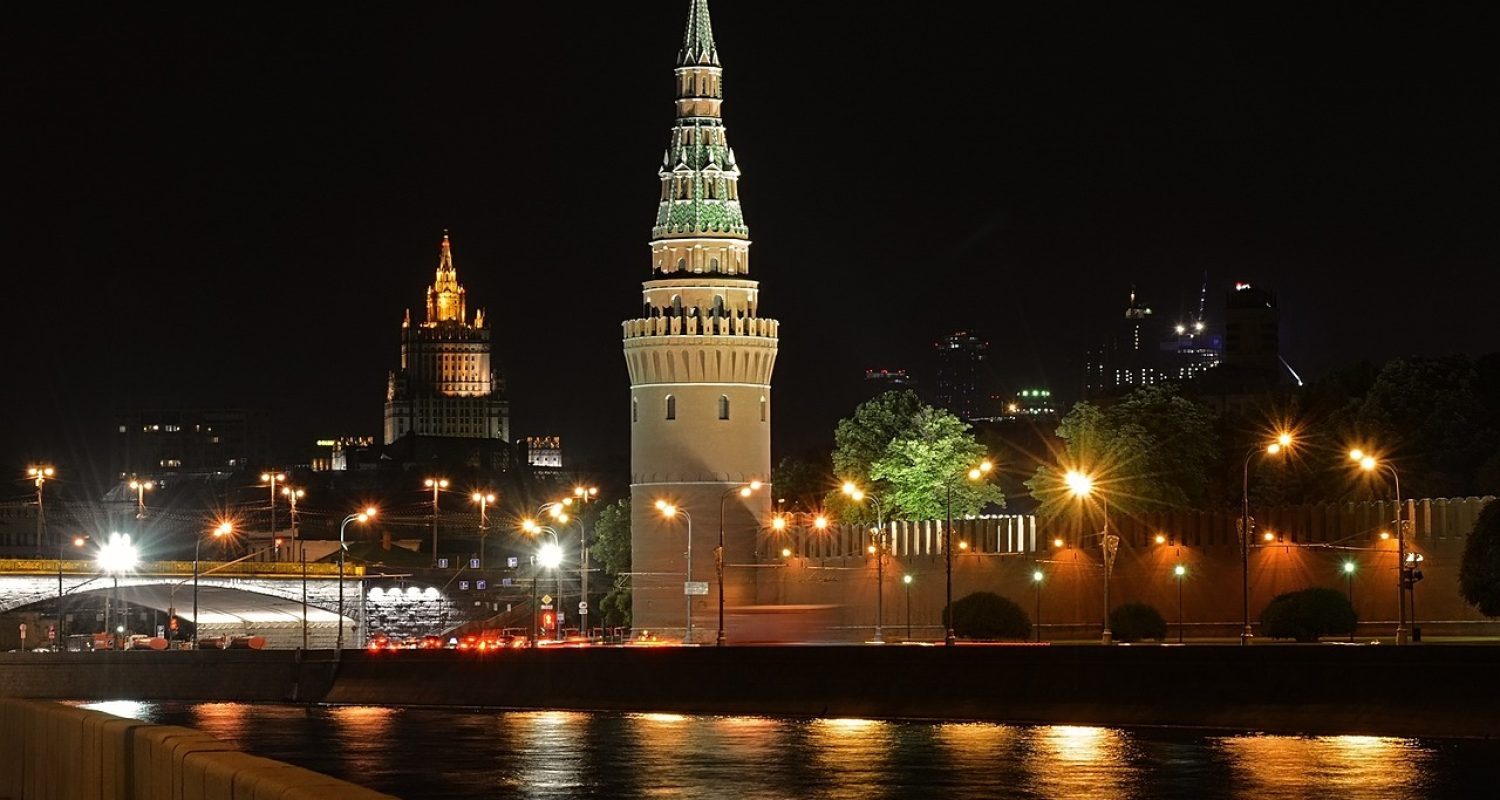
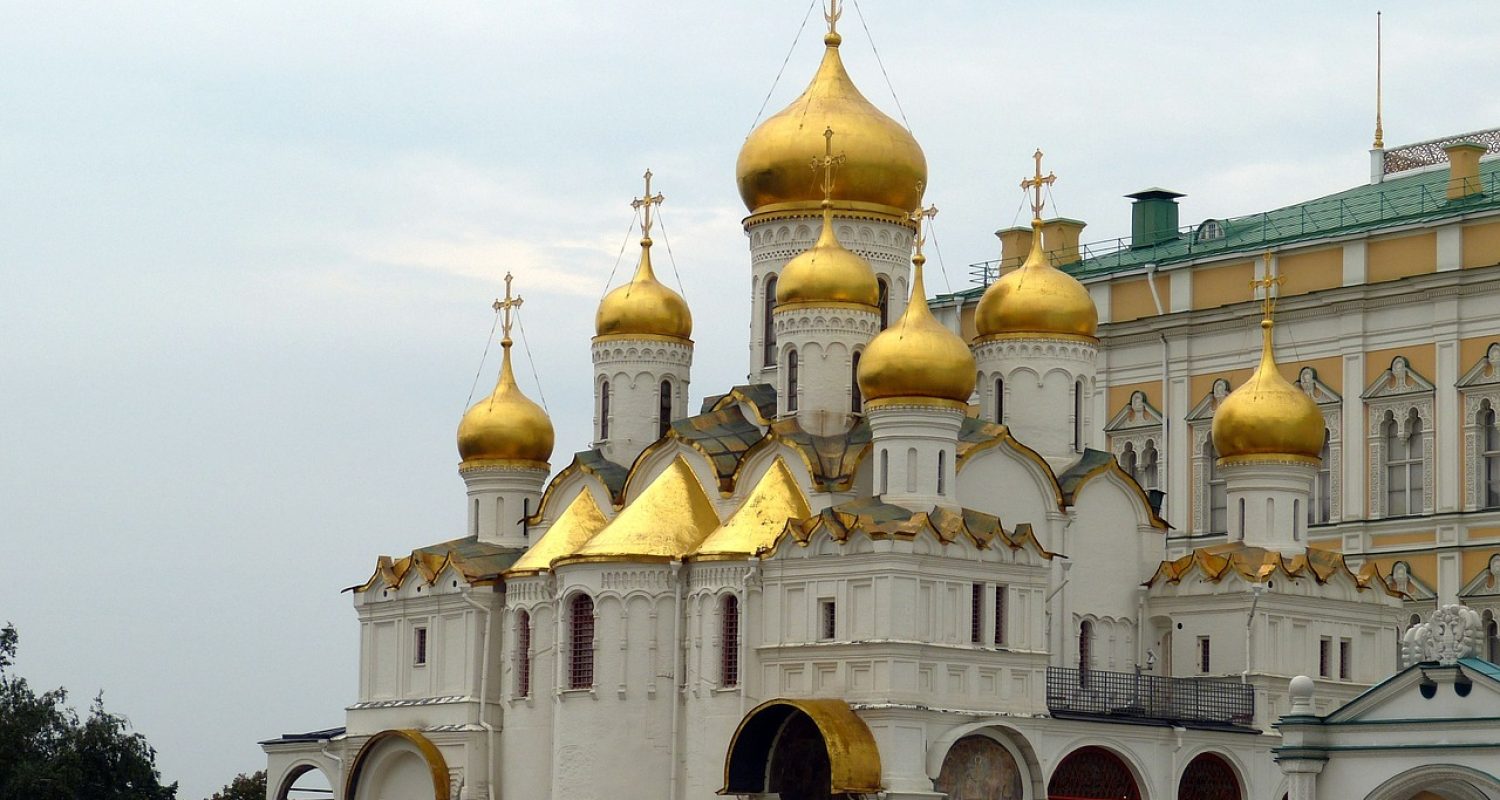
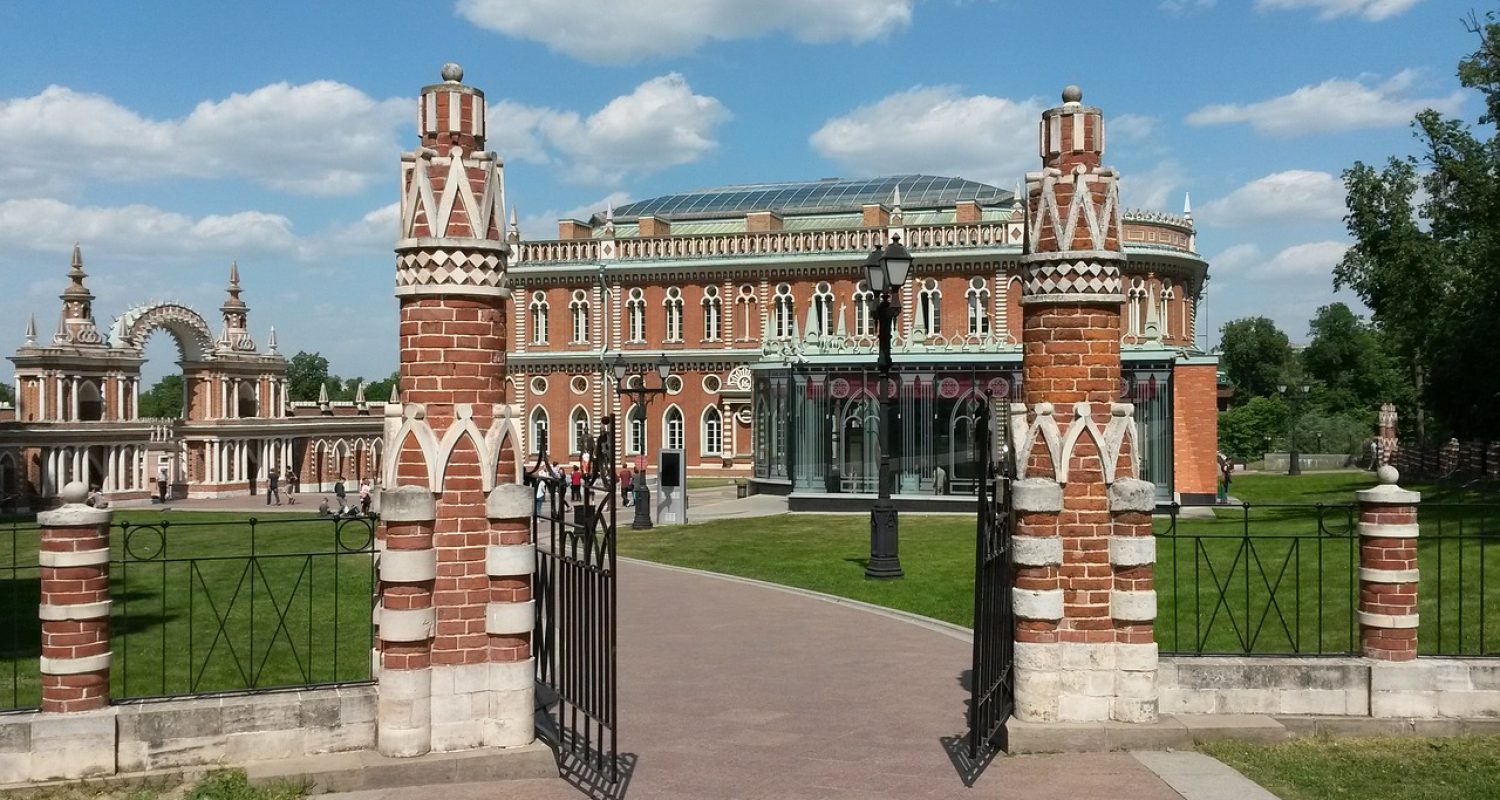
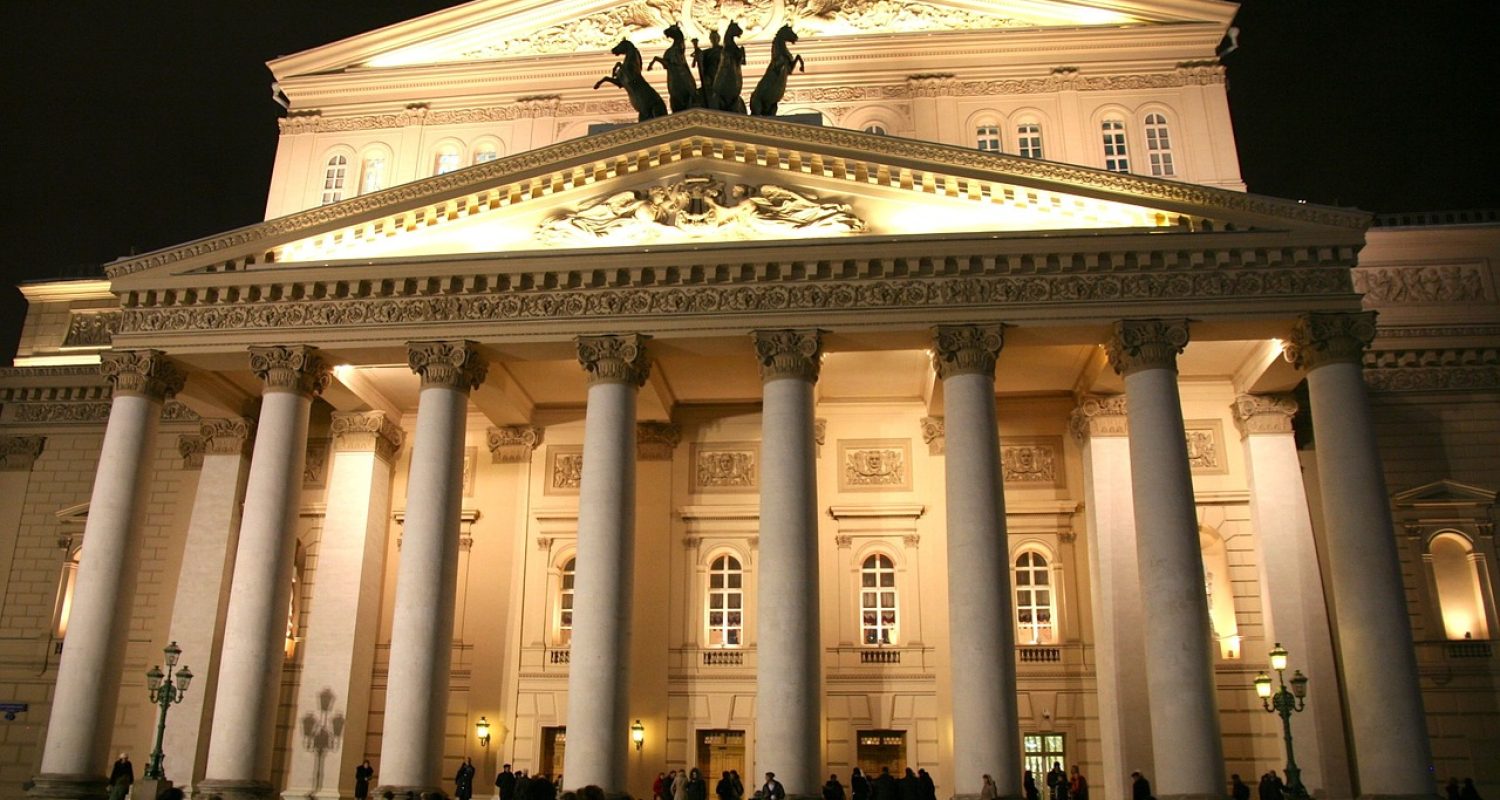
Every day we hear a lot about Russia: Russian spies, Russia’s invasion of Ukraine, the Russian propaganda machine on Social Media….
Picture by Pixabay.com, CC0 Creative Commons
In recent years, the U.S. and the EU have expelled hundreds of Russian diplomats. In return, Russia ordered the U.S. Embassy staff in Moscow to be reduced by hundreds of employees. Every day, an army of diplomats serving in Russia is sent home, and… nobody seems to care about them.
The situation is clearly out of control. We are running out of diplomats, aren’t we? I’m sure the Russians have the same problem.
So I decided to help in the only way I can. As a former diplomat in Russia, I have written a Survival Manual for Diplomats Appointed to Work in Russia. It’s a list of recommendations based entirely on my personal experience (except #7). Hopefully, it will help preserve world peace.
Here we go.
Welcome to RUSSIA!
This is going to be amazing – the culture, the history, the architecture, the vodka!
Recommendation #1: Don’t unpack your luggage.
Upon arrival in Russia, don’t unpack your suitcase. Just open it on the other bed and take out what you need.
In fact, only bring the bare necessities. This way, you’ll always be ready to go home if the power games between Russia and other countries suddenly go wild.
Never forget that at any moment you may be asked to leave — politely, of course. Not like in the old days, “You are coming with us.”
It’s not personal. It’s politics.
So remember: Keys. Phone. Wallet. Passport.
At any moment, you may be heading to the airport, and it probably won’t be because of something you said or did.
Probably.
Recommendation #2: Don’t use the phone.
And if you must use it, don’t talk on it.
And if you do talk on it, assume someone is listening.
Anything you say on the phone can be used against you — and against the person you are talking to, including the pizza delivery guy.
So don’t trash-talk the government, that’s what the internet is for. And if you’re going to order ham and pineapple on your pizza, be prepared to defend your position.
Recommendation #3: Sightsee immediately.
Russia is a huge and beautiful country, but as we established in Rule #1, you may be asked to leave at a moment’s notice.
So the moment you arrive in Moscow, start sightseeing aggressively.
Museums. Churches. Parks. Theatres. Palaces. Do everything immediately.
If you want to linger over a coffee and watch the people go by, go to Venice or Paris. This is Russia — tomorrow is promised to no one.
Okay, that’s a bit dramatic. But if you are declared persona non grata, you may never be able to come back and see Swan Lake at the Bolshoi Theatre — and you came all this way.
Recommendation #4: Practice drinking vodka.
Before going to Russia, start practicing drinking vodka.
This is easy and can be done almost anywhere. Buy in bulk and train at home while watching The Hunt for Red October.
In Russia, drinking vodka is like shaking hands — and a firm handshake is everything.
Learn to consume impressive quantities without suddenly bursting into Don’t Stop Believin’ in the middle of a bar. You may be asked to leave. The country, that is.
Vodka is a diplomat’s greatest ally in Russia and is treated with the respect it deserves.
Recommendation #5: Avoid Russian TV.
This may be difficult to imagine for an American or European, but Russian TV features passionate, eloquent, and persuasive reporters who will confidently explain how the entire world works and will bombard you with exactly the narrative the government wants you to hear.
In other words, they can brainwash you in 20–30 minutes.
After 20 minutes, you may begin to question everything you thought you knew.
After 30 minutes, you may begin questioning gravity.
When it comes to propaganda, the Russians practically wrote the handbook.
For safety, stick to the news outlets you already trust for your pure, undiluted facts.
Recommendation #6: Be kind to ordinary Russians and never underestimate babushkas.
Remember: The average Russian citizen has very little to do with international politics. Except babushkas — Russian grandmothers who have survived wars, revolutions, economic collapse, and Soviet grocery stores. They are tougher than diplomats.
Be friendly and respectful.
Many Russians passionately support their president, a kind of superhero tsar apparently destined to rule forever.
His abilities include riding horses shirtless, practicing judo, governing indefinitely, and possibly controlling the weather, the news cycle, and everyone’s life expectancy in politics.
Try not to look surprised.
Recommendation #7: Don’t “break the air” in front of TV cameras.
Modern video technology — including body microphones — is extremely advanced.
Once you let slip the dogs of war, there will be nowhere to hide.
If an unfortunate incident occurs, simply smile confidently — as if it were a deliberate diplomatic signal to improve Russian-American gas relations.
Recommendation #8: Assume every room has excellent acoustics.
Russian architecture is magnificent. The ceilings are high, the walls are thick, and the acoustics are outstanding — truly world-class. Opera singers would love it. Intelligence services probably do, too.
This means that even if a room looks empty, it may still be hosting a small, invisible audience who are very interested in your opinions about geopolitics.
So if you suddenly feel the urge to whisper something sensitive, do the sensible thing: go outside, walk into the snow, and shout it into the freezing wind.
Recommendation #9: Learn to answer questions without answering them.
This is an advanced diplomatic skill, but Russia is the perfect place to practice it.
For example:
Question: “Is your government planning new sanctions?”
Answer: “Our governments are always exploring constructive dialogue.”
You see? Everyone feels informed, and nobody actually knows anything.
Recommendation #10: Always have a toast ready.
In Russia, a meal without a toast is like a speech without applause.
Be ready to raise your glass and say something profound about friendship, cooperation, culture, or the mysterious beauty of Russian winter.
If all else fails, simply say:
“To peace between our nations.”
Then drink quickly before someone asks you to explain what you meant.
Recommendation #11: Develop a sense of humor and don’t take everything too seriously.
In many ways, international politics is just a game. Like chess. Or the Olympics.
Kidding aside: use your head, have fun, and try not to stress too much. You will need it. When in doubt, nod thoughtfully and say: “This is a very interesting development.”
Diplomacy in Russia can be intense, unpredictable, fascinating, frustrating, and occasionally surreal. If the situation suddenly becomes confusing, contradictory, and slightly surreal — relax. That means everything is proceeding normally, and somewhere in Moscow, someone is also pretending to understand what is going on.
But if you keep your sense of humor, keep your suitcase half-packed, and remember where your passport is, you will survive.
And who knows? You might even enjoy it.
Picture by Pixabay.com, CC0 Creative Commons