Tomorrow, September 22, world leaders will begin the General Debate of the 81st session of the United Nations General Assembly here in New York. This year’s theme is “Restoring trust, managing transformation: a United Nations that delivers for all,” and the debate will continue through September 26 and conclude on September 28.
The words a United Nations that delivers caught my attention, perhaps because they brought me back to my own experience at the UN more than twenty-five years ago.
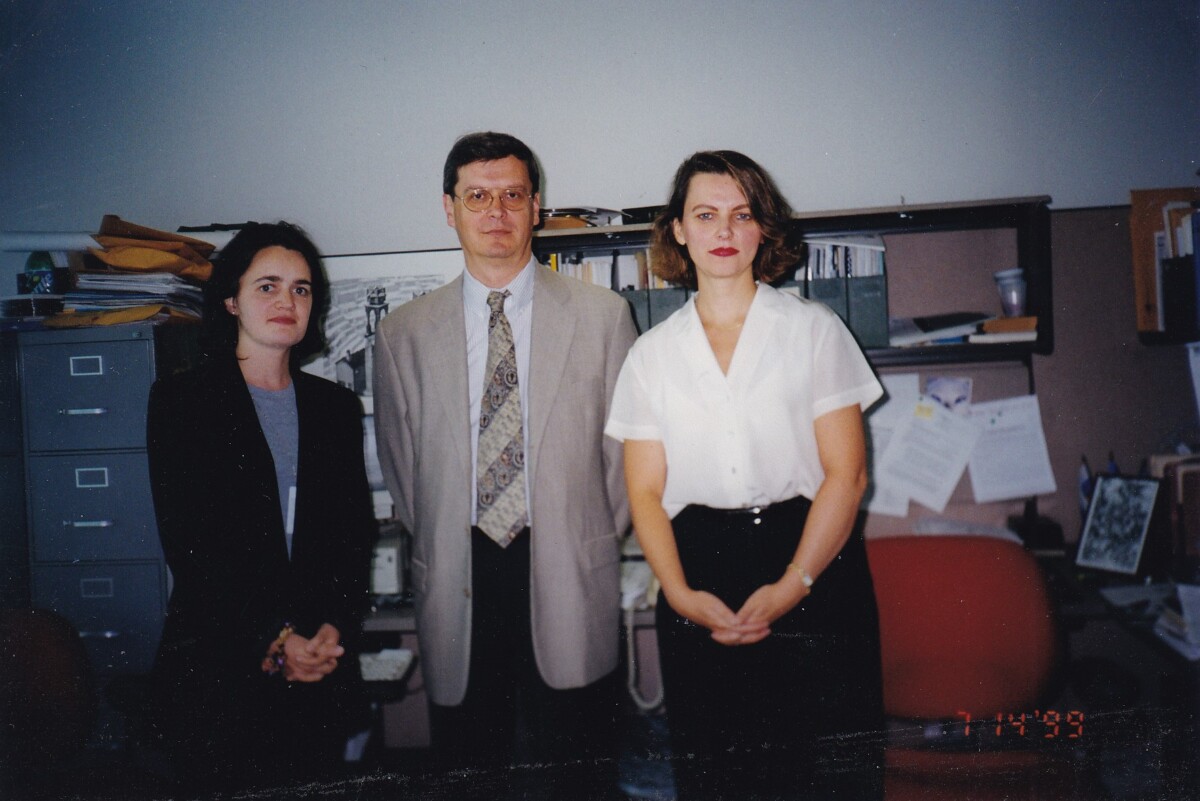
In 1999, I was studying for my master’s degree in Political Science at Long Island University, C.W. Post Campus, and the time came for us to choose our internships. One of my professors was a remarkable woman named Leila Doss, already in her 90s, with an extraordinarily sharp mind and a lifetime of international experience. She had worked closely with Boutros Boutros-Ghali, who served as UN Secretary-General from 1992 to 1996, and she was well known among people at the United Nations.
When she asked where I would like to intern, I had an immediate answer: the Security Council.
To me, that was where the most important decisions were being discussed, and I wanted to see up close how this powerful international institution actually worked. So I waited.
And waited.
One by one, my classmates received their assignments, while nothing seemed to be happening with mine. Finally, I learned that I had been given an internship not at the Security Council, but at UN Radio.
To tell the truth, I was disappointed.
But not for long.
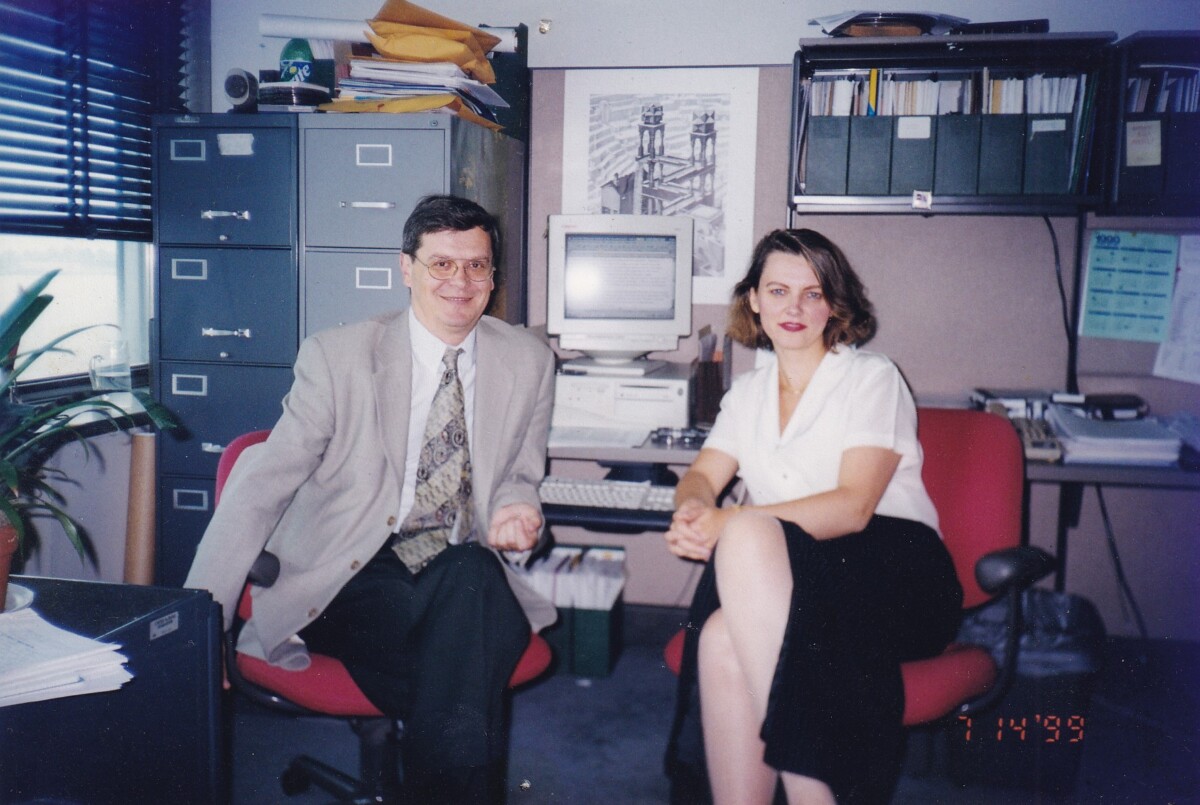
UN Radio turned out to be one of the best places I could possibly have been assigned because instead of being attached to only one part of the organization, I suddenly had a reason to move throughout the UN. I learned how to conduct interviews, prepare and edit radio reports and audio programs, follow international developments, and attend open meetings and events throughout the building.
Including, of course, the Security Council.
And that is where the story became slightly ironic.
I finally entered the visitors’ and press area overlooking the Security Council chamber, ready to observe the institution I had been so eager to experience, only to discover that the audio system available to us was not working. I tried one earpiece, then another. Other visitors did the same. We could see the ambassadors sitting below us and clearly see that an important discussion was taking place.
We simply could not hear it.
Perhaps there was no better metaphor for international diplomacy.
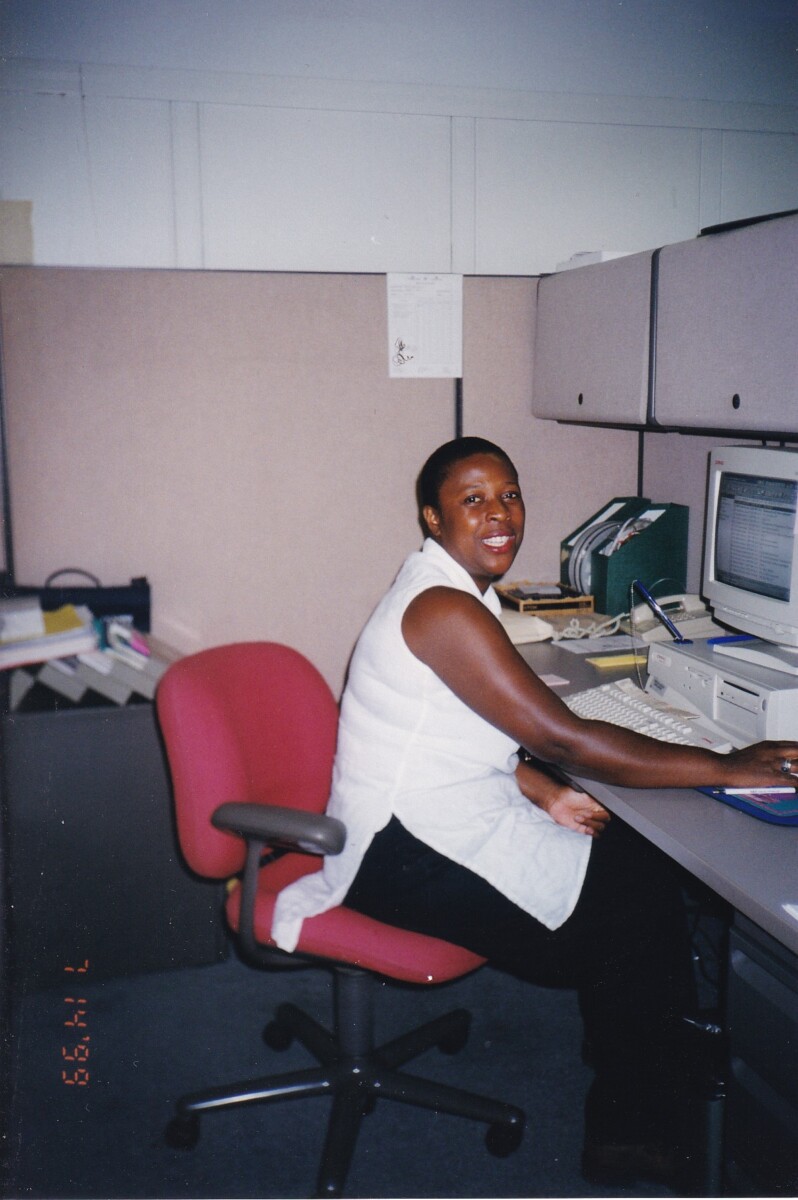
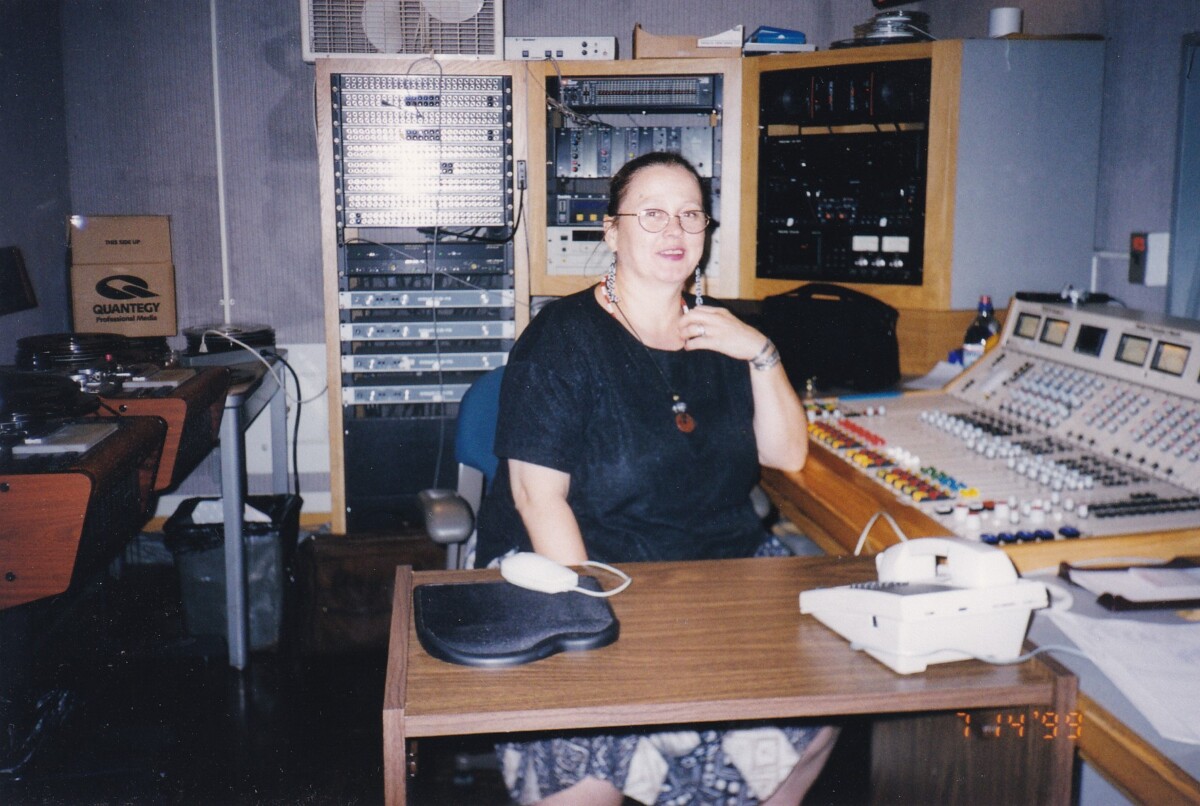
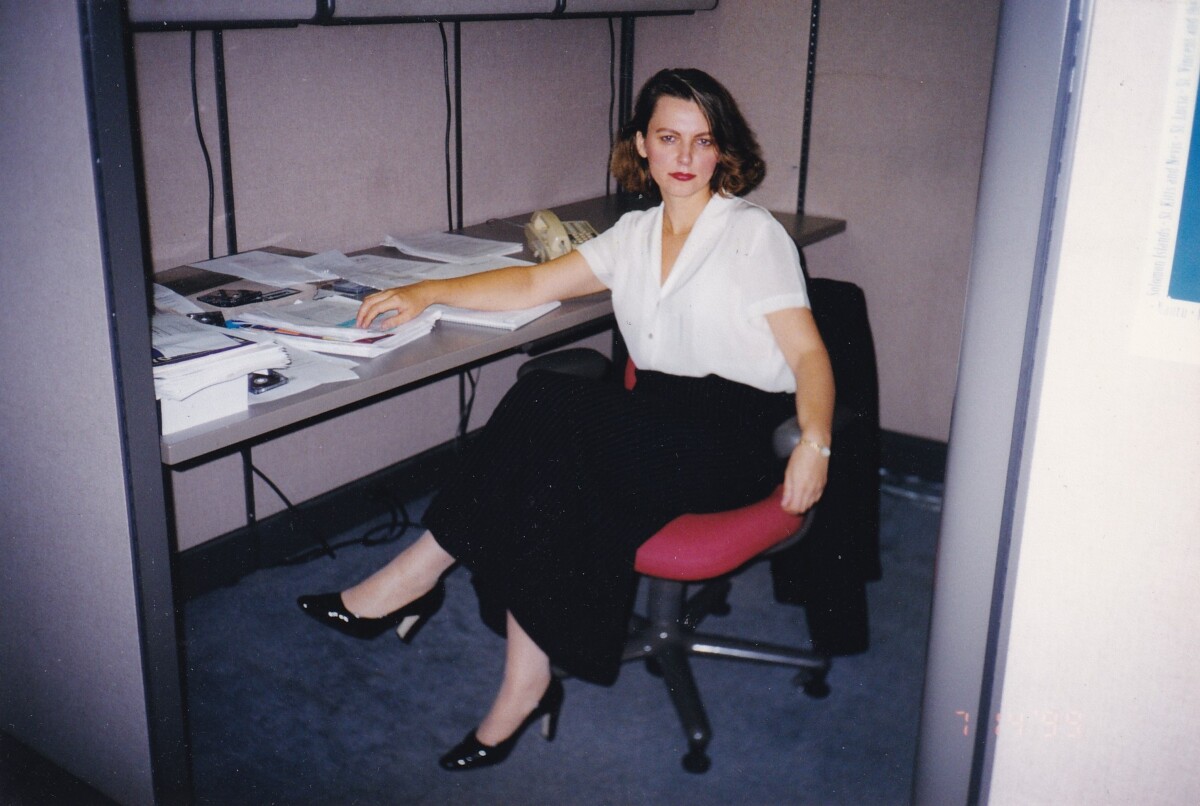
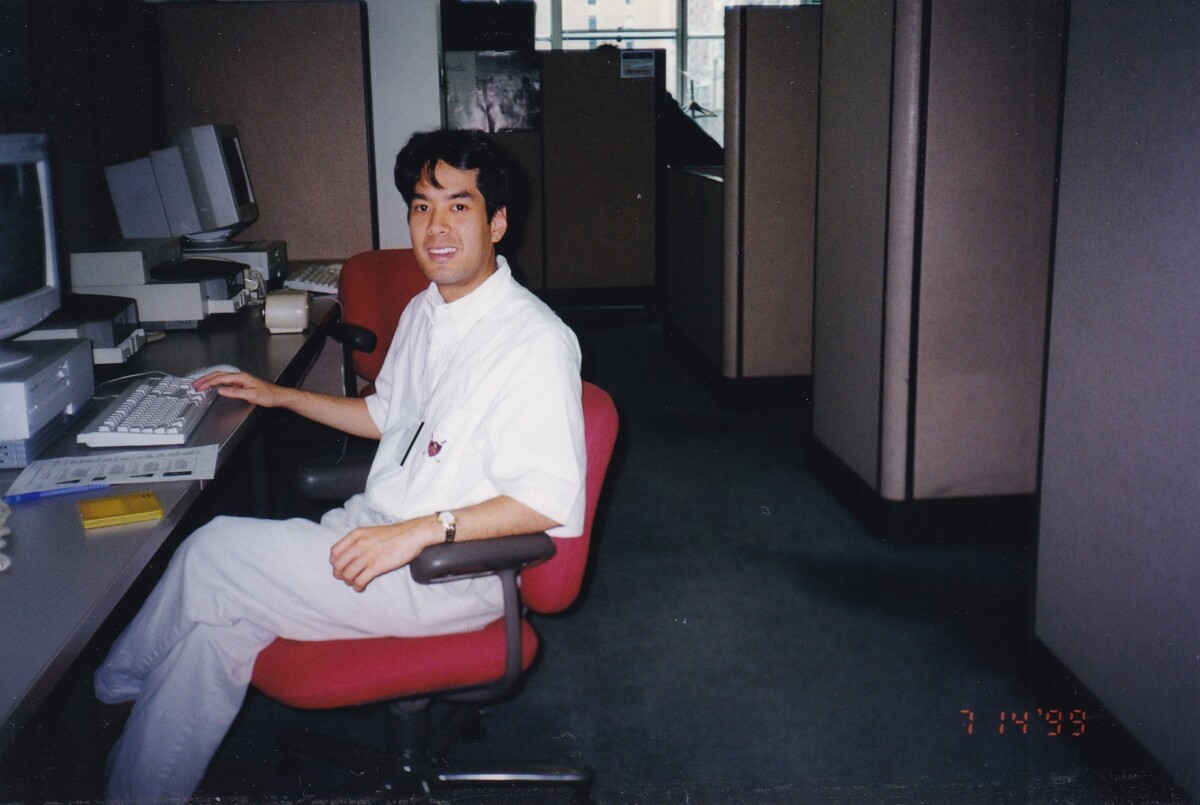
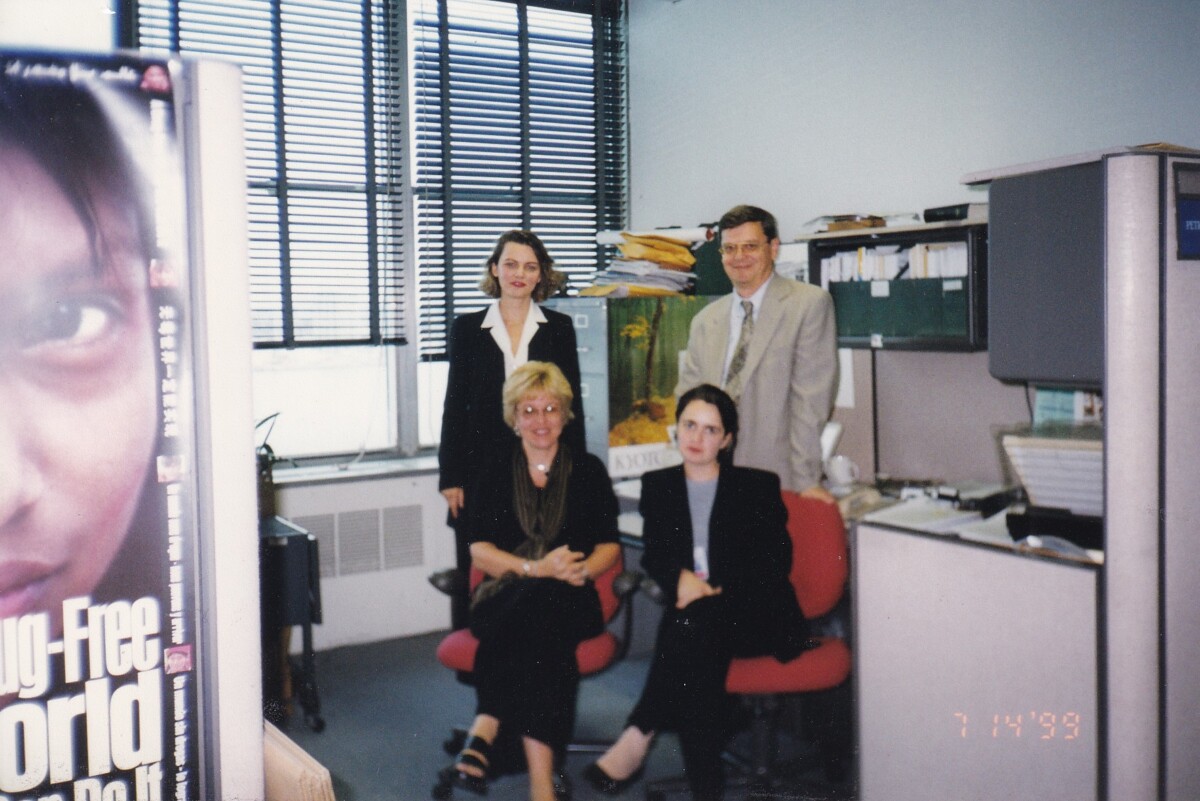
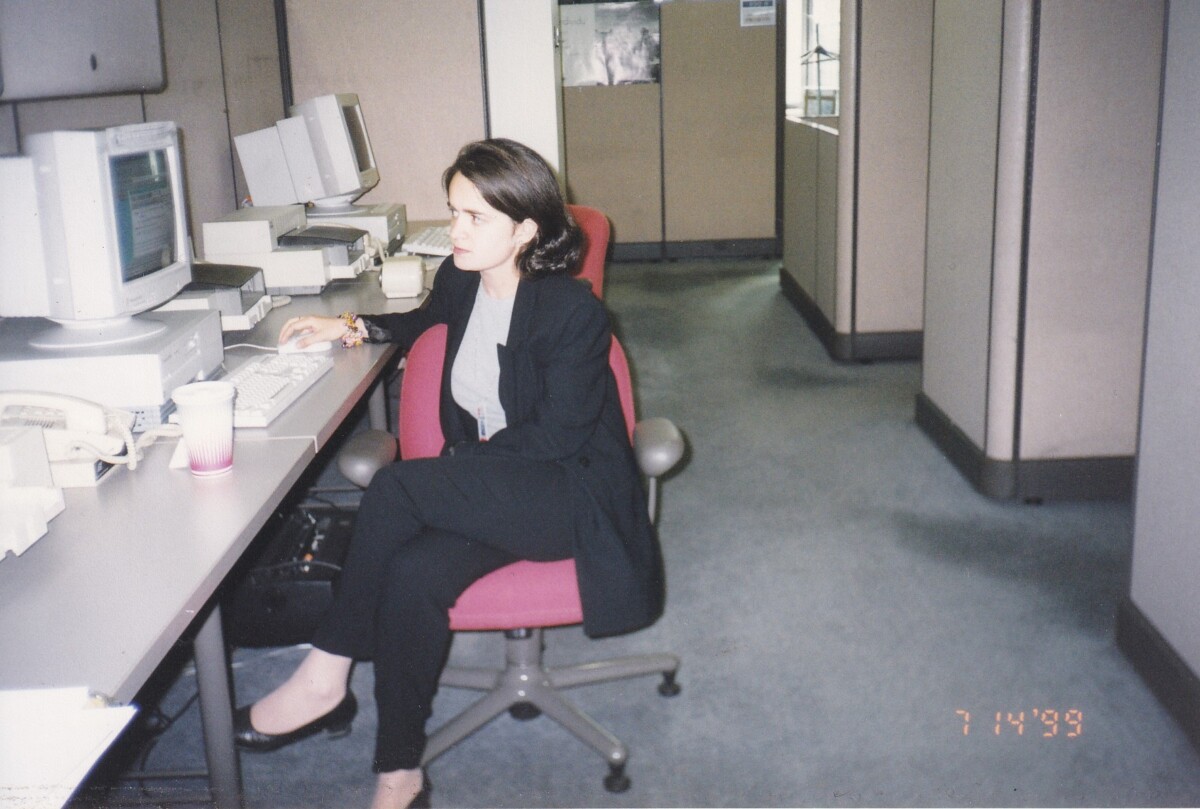
The UN building was showing its age in those days, and the headquarters would eventually undergo a major renovation. But my memory of that Security Council meeting has stayed with me: all those important people sitting around that famous table, discussing matters of international peace and security, while those of us above watched the conversation in complete silence.
Fortunately, my UN experience was about much more than a malfunctioning audio system. I met many remarkable people working throughout the organization—people who were intelligent, dedicated and genuinely committed to doing meaningful work. That is something I think is sometimes lost when we speak about “the UN” as though it were one enormous anonymous institution. Institutions are ultimately made up of human beings, and I met many there who cared deeply about what they were doing.
Now, more than twenty-five years later, another General Debate is beginning, while the United Nations and the world around it are both changing. Heads of State and Government will once again come to New York to discuss peace, security, development and the major challenges facing humanity.
And I find myself returning to a slightly different version of the question I had in 1999.
Today, fortunately, we can hear what is being said.
But are we listening?
And perhaps more importantly, what happens after all the speeches are finished, the motorcades leave Manhattan, the microphones are turned off, and everyone goes home?
There will undoubtedly be many intelligent speeches this week, many serious warnings, ambitious proposals and declarations of commitment. Some may eventually lead to meaningful cooperation; others may remain words spoken from one of the world’s most famous podiums.
Perhaps that is the real test of the United Nations in 2026—not whether the world can produce another week of discussion, because humanity has never suffered from a shortage of words, but whether countries with very different interests can still find enough common ground to turn some of those words into practical action.
More than twenty-five years ago, I sat above the Security Council and could see the discussion but could not hear it.
This week, the whole world can listen.
Let’s see what happens next.
Photos from J.B. Gattini’s photo album