EMN - Enlightenment Media News - Benevolent News Presented With Love

Cart

From the Course in Miracles Perspective

Robert D. Sears, Sometimes the Leaders Are Not Who You Expect

This reflection challenges conventional ideas about leadership, suggesting that the truest leaders are often not the loudest, most ambitious, or most visible, but those willing to serve when life quietly calls them forward. It explores how humility, willingness, and the courage to take the next loving step can matter more than confidence, status, or recognition.

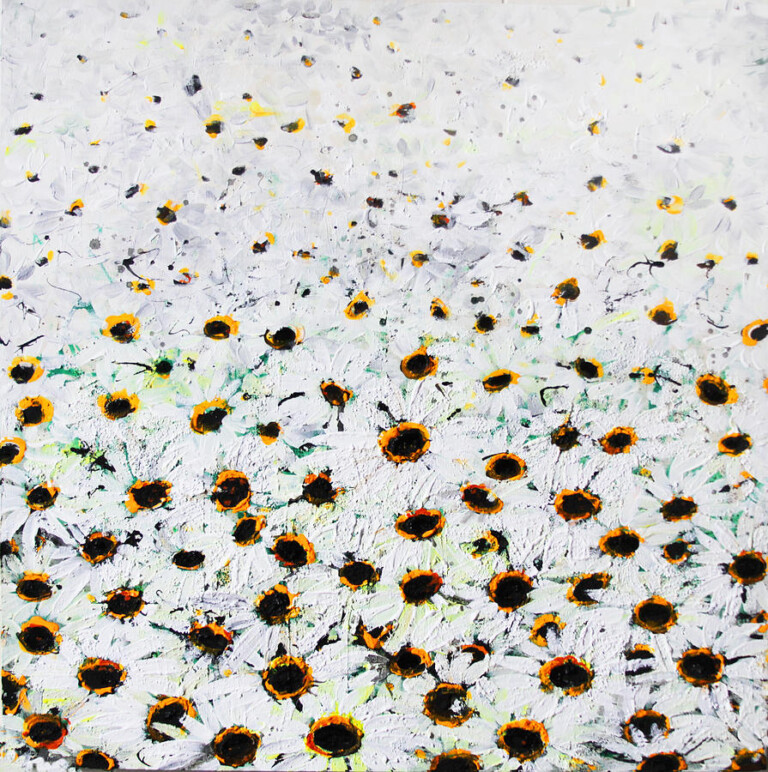
Lolita Bronzini, Daisies

Robert D. Sears, What Was the “This”?

This compassionate reflection looks beyond judgment to ask a more difficult and humane question about suicide: what suffering had become unbearable for the person experiencing it? Rather than searching for blame or simple explanations, it invites us to listen more deeply, recognize the pain that may remain hidden from view, and ask the questions that matter while there is still time to be present.

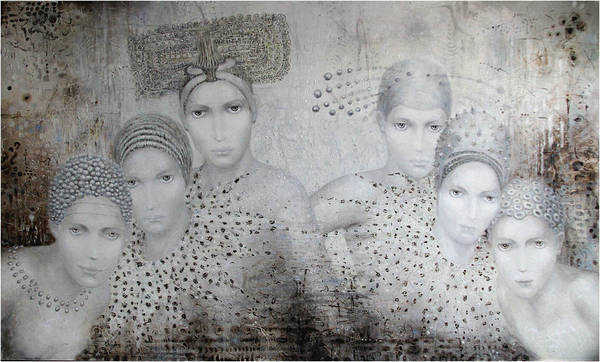
Lolita Bronzini, Celestial Bliss

Robert D. Sears, Every “You” I See

Every person we encounter can become a mirror, revealing the beliefs, judgments, fears, and projections still active within us. Inspired by A Course in Miracles, this essay explores how relationships—whether loving, difficult, or painful—can become powerful opportunities for forgiveness, healing, and a deeper recognition of our shared oneness.

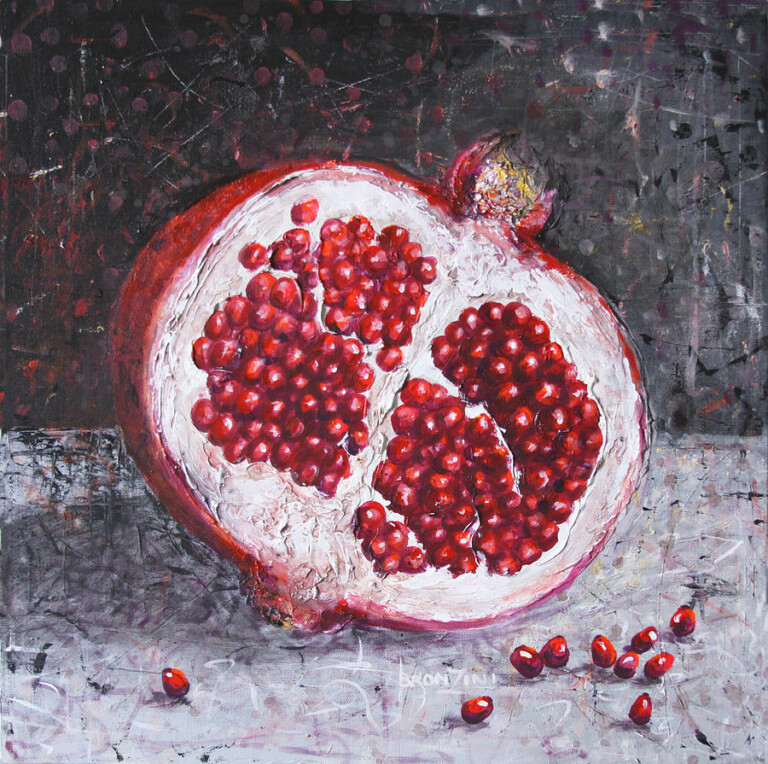
Lolita Bronzini, Pomegranate

Robert D. Sears, When I Forget What I Lost

With warmth and gentle humor, this reflection explores how much of our distress comes not from what has happened, but from the story we continue telling about it. Inspired by A Course in Miracles, it reminds us that while objects may be lost, peace is often still exactly where we left it—beneath the fear, blame, and meaning we placed on top of the moment.

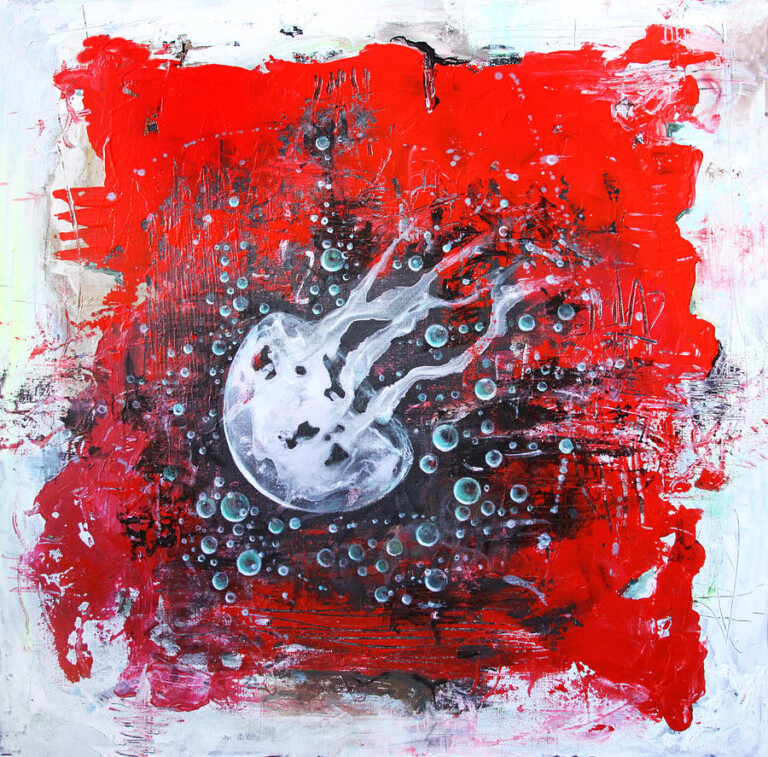
Lolita Bronzini, Jellyfish in the Red Water

Robert D. Sears, When the World Will Not Be Quiet

In a world of relentless headlines, conflict, outrage, and fear, this reflection explores how to remain informed and compassionate without surrendering inner peace. Inspired by A Course in Miracles, it asks whether true sanity begins not when the world becomes quiet, but when we stop allowing fear to become the teacher of our minds.

Lolita Bronzini, Red Sunset

Robert D. Sears, From Pain to Lesson

With honesty, humility, and a touch of humor, this reflection explores how physical pain can become an invitation to look beyond the question of what is wrong and ask what life may be trying to reveal. It is a thoughtful reminder that discomfort can sometimes open the door to greater self-awareness, softer reactions, and a willingness to change.

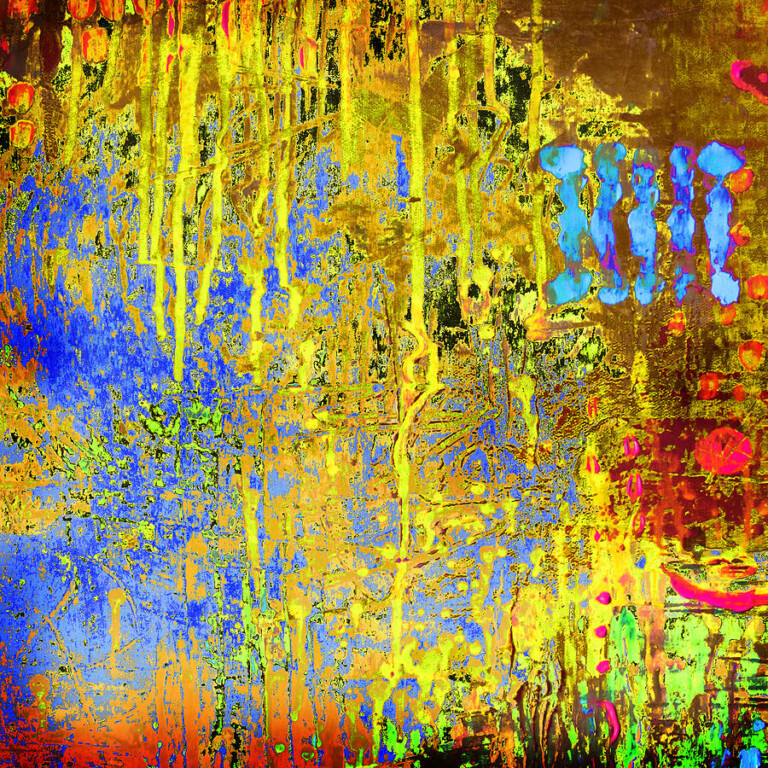
Lolita Bronzini, Meltig Yellow

Robert D. Sears, Remembering What Was Never Lost

Inspired by A Course in Miracles, this essay explores the idea that our connection with God has never truly been lost—only obscured by fear, judgment, guilt, and the belief in separation. Remembering, then, is not about finding something absent, but awakening to the Love, unity, and divine identity that have always remained within us.

Lolita Bronzini, Night Light in the City

Robert D. Sears, When the Mountain Will Not Come

Using A Course in Miracles as its foundation, this essay explores the many ways spiritual teaching can meet people where they are—sometimes beginning with timeless principles, and sometimes with the very real problems of everyday life. It reminds us that there is no single path to understanding, only the willingness to let fear, conflict, grief, or confusion become doorways to a different way of seeing.

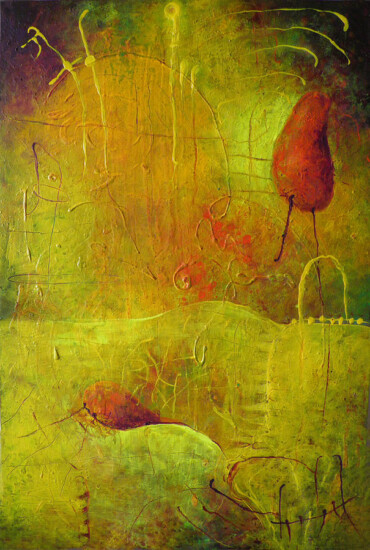
Lolita Bronzini, Two Red Objects

Robert D. Sears, Every Thought Becomes a Doorway

Inspired by A Course in Miracles, this reflection explores how both joyful and fearful thoughts can become opportunities for awakening when they are brought to a different inner Teacher. It reminds us that fear need not be denied or condemned; when met with honesty and willingness, even our most difficult thoughts can become doorways back to love, healing, and peace.

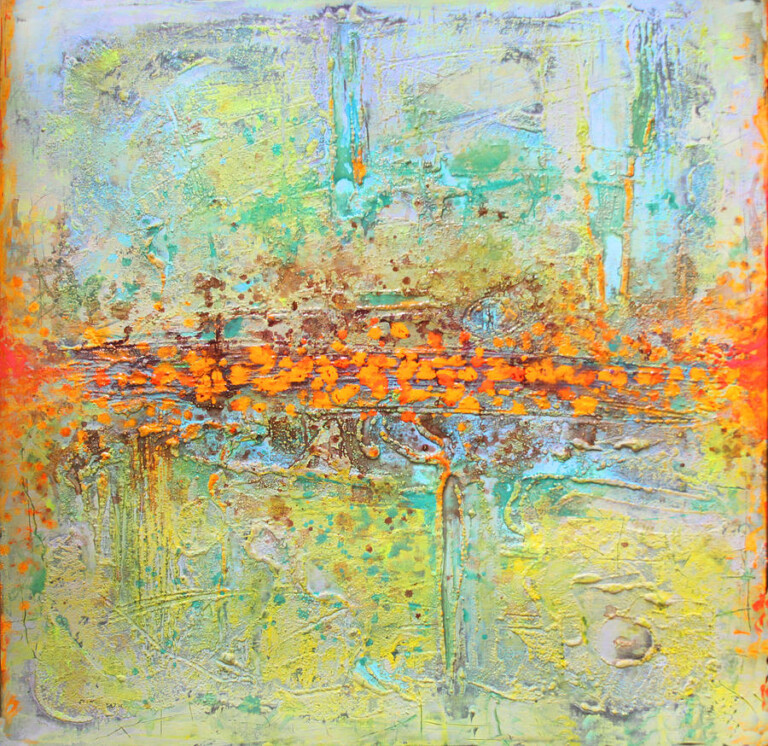
Lolita Bronzini, Orange Interference

Robert D. Sears, The Point of No Return

Using the metaphor of a long voyage, this reflection explores the spiritual moment when returning to old patterns of fear, judgment, and grievance no longer feels like a true way home. Inspired by A Course in Miracles, it reminds us that awakening is not about perfection, but about learning—again and again—to choose peace, forgiveness, and love as the direction forward.

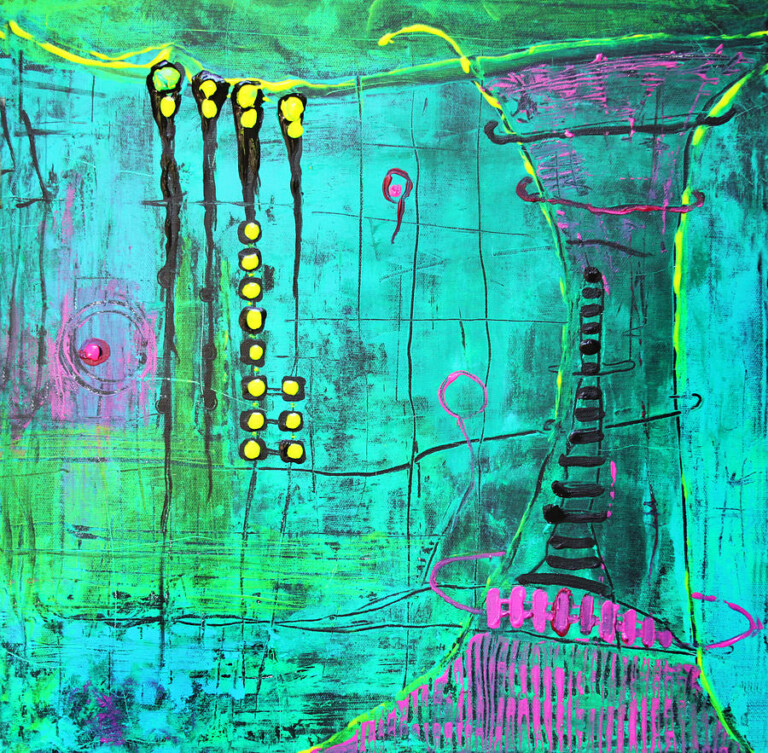
Lolita Bronzini, Emerald World

Robert D. Sears, When Profit Loses Its Soul

This essay examines what happens when profit stops serving human need and begins to override conscience, dignity, healing, and truth. Drawing on the timeless question, “What shall it profit a man…?”, it challenges individuals, corporations, and institutions to reconsider whether success without moral responsibility is truly success at all.

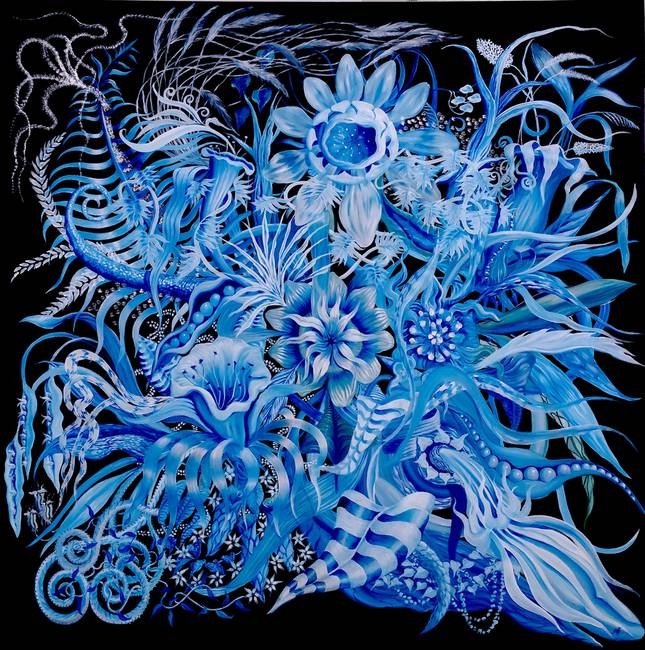
Jane Evershed, Blue Flowers

Robert D. Sears, Bring the Light Down With You

This article uses the experience of SCUBA diving as a metaphor for spiritual perception, showing how fear, guilt, and judgment can gradually darken the way we see the world. Through the lens of A Course in Miracles, it presents forgiveness and the Holy Spirit as the light that restores clarity, helping us move through pressure, fear, and confusion without losing sight of love. Ultimately, it reminds us that even in our darkest moments, the “surface” is still there—and so is Love.

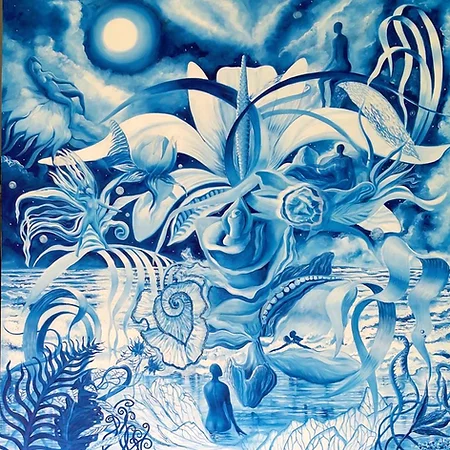
Jane Evershed, Dreaming in Blue

Robert D. Sears, My Airplane, His Guidance

This article uses the author’s years as a flight instructor to draw a thoughtful parallel between learning to fly and learning to trust spiritual guidance. It explores the difference between the instructor’s firm command, “My airplane,” and the Holy Spirit’s gentle invitation to release fear, judgment, and the need for control. Ultimately, the article suggests that peace begins when we loosen our grip and allow a wiser guidance to lead the way.

Jane Evershed, Homo Spiritus Rearranging the Space-Time Continuum Toward Positive Evolution

Robert D. Sears, Joy and Fulfillment Are Not Job Benefits

This article explores the difference between simply being employed and doing work that brings genuine meaning, joy, and fulfillment. It suggests that purpose is not measured by salary, titles, or productivity, but by whether what we do allows us to give, create, serve, and feel fully alive. Ultimately, it invites us to see joy not as a luxury, but as guidance toward a life shaped by presence, love, and meaningful contribution.

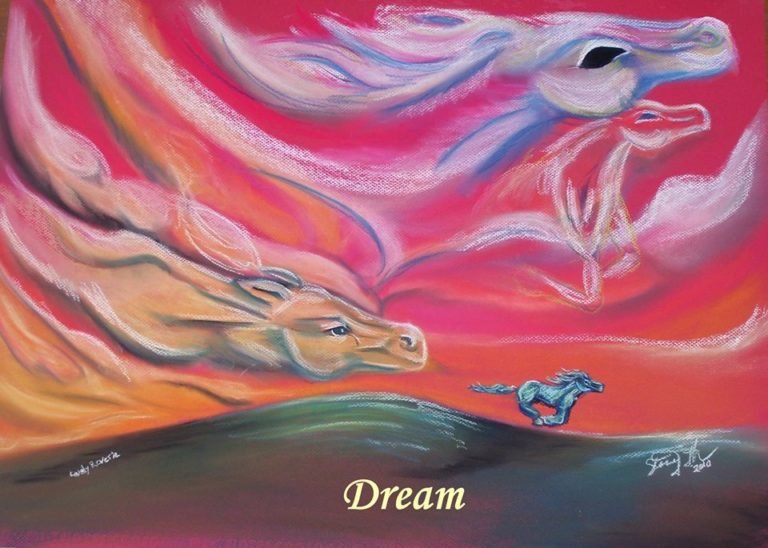
Stacey Littledeer, Dream

Robert D. Sears, The Value of Faith and Belief in Receiving True Abundance

This article explores how faith and belief can open the way to a deeper form of abundance that includes not only material prosperity, but also love, health, joy, purpose, and fulfillment. Drawing on religious, philosophical, and psychological perspectives, it shows how moving from fear and scarcity toward trust, gratitude, and inspired action can transform the way we experience life. Ultimately, the article presents true abundance as a state of inner alignment—believing in possibility, trusting what cannot yet be seen, and living from a mindset of generosity rather than limitation.

Solitude of Mother

Robert D. Sears, The Body Only Whispers What the Mind Believes

This article explores the A Course in Miracles perspective that the body can reflect deeper beliefs of fear, guilt, separation, and vulnerability held in the mind. Rather than blaming illness on the individual, it presents healing as a compassionate process of looking beyond symptoms, releasing fear, and remembering that our true identity is not defined by the body or its condition. Ultimately, it offers a gentle message of hope: even when the body suffers, our deeper spiritual Self remains whole, innocent, and untouched.

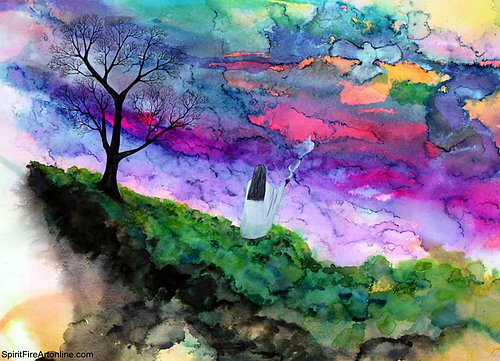
Stacey Littledeer, Spirit Fire Art

Robert D. Sears, Self-Love vs. Narcissism: Learning Which Self We Are Loving

The article explores the important difference between genuine self-love and narcissism through the perspective of A Course in Miracles. It shows how true self-love is rooted in forgiveness, inner peace, humility, and recognizing our deeper spiritual identity, while narcissism protects the ego through specialness, validation, and comparison. Ultimately, the article suggests that learning to love our true Self allows us to extend greater understanding, compassion, and love to others.

Spirit Tree

Robert D. Sears, Lead, Follow, or Get Out of the Way

This article reimagines the familiar phrase “Lead, follow, or get out of the way” through the perspective of A Course in Miracles. It explores how the ego seeks control, while true spiritual leadership comes from following the Holy Spirit, choosing peace, and stepping aside when fear, judgment, or the need to be right takes over. Ultimately, the message is simple: let Love lead, follow divine guidance, and get the ego out of the way.


Believe

Frank D. Sears, Carefully Taught, Gently Untaught

The article explores how fear, prejudice, judgment, guilt, and separation are learned, and how these patterns are often passed quietly from one generation to the next. Drawing on A Course in Miracles, it argues that real change begins when adults become willing to question what they themselves were taught, stop following the ego’s curriculum, and allow the Holy Spirit to “gently unteach” fear through forgiveness, humility, and peace. Ultimately, the greatest gift we can offer children is not perfection, but a living example that love does not require enemies, correction does not require shame, and the mind can always choose again.

Spirit Tree

Frank D. Sears, My Needs Are Met

The article explores the many needs we experience as human beings—security, health, love, belonging, purpose, guidance, freedom, and peace—and suggests that beneath them all lies one deeper longing: to remember that we have never been separate from Love. Drawing on A Course in Miracles, it explains that practical needs still deserve responsible attention, but they do not define or sustain our true Self. Ultimately, “My needs are met” becomes a statement of trust: what we truly are is already whole, worthy, guided, and held in the Love of God.

Robert D. Sears, Sometimes the Leaders Are Not Who You Expect

This reflection challenges conventional ideas about leadership, suggesting that the truest leaders are often not the loudest, most ambitious, or most visible, but those willing to serve when life quietly calls them forward. It explores how humility, willingness, and the courage to take the next loving step can matter more than confidence, status, or recognition.

Lolita Bronzini, Daisies

Robert D. Sears, What Was the “This”?

This compassionate reflection looks beyond judgment to ask a more difficult and humane question about suicide: what suffering had become unbearable for the person experiencing it? Rather than searching for blame or simple explanations, it invites us to listen more deeply, recognize the pain that may remain hidden from view, and ask the questions that matter while there is still time to be present.

Lolita Bronzini, Celestial Bliss

Robert D. Sears, Every “You” I See

Every person we encounter can become a mirror, revealing the beliefs, judgments, fears, and projections still active within us. Inspired by A Course in Miracles, this essay explores how relationships—whether loving, difficult, or painful—can become powerful opportunities for forgiveness, healing, and a deeper recognition of our shared oneness.

Lolita Bronzini, Pomegranate

Robert D. Sears, When I Forget What I Lost

With warmth and gentle humor, this reflection explores how much of our distress comes not from what has happened, but from the story we continue telling about it. Inspired by A Course in Miracles, it reminds us that while objects may be lost, peace is often still exactly where we left it—beneath the fear, blame, and meaning we placed on top of the moment.

Lolita Bronzini, Jellyfish in the Red Water

Robert D. Sears, When the World Will Not Be Quiet

In a world of relentless headlines, conflict, outrage, and fear, this reflection explores how to remain informed and compassionate without surrendering inner peace. Inspired by A Course in Miracles, it asks whether true sanity begins not when the world becomes quiet, but when we stop allowing fear to become the teacher of our minds.

Lolita Bronzini, Red Sunset

Robert D. Sears, From Pain to Lesson

With honesty, humility, and a touch of humor, this reflection explores how physical pain can become an invitation to look beyond the question of what is wrong and ask what life may be trying to reveal. It is a thoughtful reminder that discomfort can sometimes open the door to greater self-awareness, softer reactions, and a willingness to change.

Lolita Bronzini, Meltig Yellow

Robert D. Sears, Remembering What Was Never Lost

Inspired by A Course in Miracles, this essay explores the idea that our connection with God has never truly been lost—only obscured by fear, judgment, guilt, and the belief in separation. Remembering, then, is not about finding something absent, but awakening to the Love, unity, and divine identity that have always remained within us.

Lolita Bronzini, Night Light in the City

Robert D. Sears, When the Mountain Will Not Come

Using A Course in Miracles as its foundation, this essay explores the many ways spiritual teaching can meet people where they are—sometimes beginning with timeless principles, and sometimes with the very real problems of everyday life. It reminds us that there is no single path to understanding, only the willingness to let fear, conflict, grief, or confusion become doorways to a different way of seeing.

Lolita Bronzini, Two Red Objects

Robert D. Sears, Every Thought Becomes a Doorway

Inspired by A Course in Miracles, this reflection explores how both joyful and fearful thoughts can become opportunities for awakening when they are brought to a different inner Teacher. It reminds us that fear need not be denied or condemned; when met with honesty and willingness, even our most difficult thoughts can become doorways back to love, healing, and peace.

Lolita Bronzini, Orange Interference

Robert D. Sears, The Point of No Return

Using the metaphor of a long voyage, this reflection explores the spiritual moment when returning to old patterns of fear, judgment, and grievance no longer feels like a true way home. Inspired by A Course in Miracles, it reminds us that awakening is not about perfection, but about learning—again and again—to choose peace, forgiveness, and love as the direction forward.

Lolita Bronzini, Emerald World

Robert D. Sears, When Profit Loses Its Soul

This essay examines what happens when profit stops serving human need and begins to override conscience, dignity, healing, and truth. Drawing on the timeless question, “What shall it profit a man…?”, it challenges individuals, corporations, and institutions to reconsider whether success without moral responsibility is truly success at all.

Jane Evershed, Blue Flowers

Robert D. Sears, Bring the Light Down With You

This article uses the experience of SCUBA diving as a metaphor for spiritual perception, showing how fear, guilt, and judgment can gradually darken the way we see the world. Through the lens of A Course in Miracles, it presents forgiveness and the Holy Spirit as the light that restores clarity, helping us move through pressure, fear, and confusion without losing sight of love. Ultimately, it reminds us that even in our darkest moments, the “surface” is still there—and so is Love.

Jane Evershed, Dreaming in Blue

Robert D. Sears, My Airplane, His Guidance

This article uses the author’s years as a flight instructor to draw a thoughtful parallel between learning to fly and learning to trust spiritual guidance. It explores the difference between the instructor’s firm command, “My airplane,” and the Holy Spirit’s gentle invitation to release fear, judgment, and the need for control. Ultimately, the article suggests that peace begins when we loosen our grip and allow a wiser guidance to lead the way.

Jane Evershed, Homo Spiritus Rearranging the Space-Time Continuum Toward Positive Evolution

Robert D. Sears, Joy and Fulfillment Are Not Job Benefits

This article explores the difference between simply being employed and doing work that brings genuine meaning, joy, and fulfillment. It suggests that purpose is not measured by salary, titles, or productivity, but by whether what we do allows us to give, create, serve, and feel fully alive. Ultimately, it invites us to see joy not as a luxury, but as guidance toward a life shaped by presence, love, and meaningful contribution.

Stacey Littledeer, Dream

Robert D. Sears, The Value of Faith and Belief in Receiving True Abundance

This article explores how faith and belief can open the way to a deeper form of abundance that includes not only material prosperity, but also love, health, joy, purpose, and fulfillment. Drawing on religious, philosophical, and psychological perspectives, it shows how moving from fear and scarcity toward trust, gratitude, and inspired action can transform the way we experience life. Ultimately, the article presents true abundance as a state of inner alignment—believing in possibility, trusting what cannot yet be seen, and living from a mindset of generosity rather than limitation.

Solitude of Mother

Robert D. Sears, The Body Only Whispers What the Mind Believes

This article explores the A Course in Miracles perspective that the body can reflect deeper beliefs of fear, guilt, separation, and vulnerability held in the mind. Rather than blaming illness on the individual, it presents healing as a compassionate process of looking beyond symptoms, releasing fear, and remembering that our true identity is not defined by the body or its condition. Ultimately, it offers a gentle message of hope: even when the body suffers, our deeper spiritual Self remains whole, innocent, and untouched.

Stacey Littledeer, Spirit Fire Art

Robert D. Sears, Self-Love vs. Narcissism: Learning Which Self We Are Loving

The article explores the important difference between genuine self-love and narcissism through the perspective of A Course in Miracles. It shows how true self-love is rooted in forgiveness, inner peace, humility, and recognizing our deeper spiritual identity, while narcissism protects the ego through specialness, validation, and comparison. Ultimately, the article suggests that learning to love our true Self allows us to extend greater understanding, compassion, and love to others.

Spirit Tree

Robert D. Sears, Lead, Follow, or Get Out of the Way

This article reimagines the familiar phrase “Lead, follow, or get out of the way” through the perspective of A Course in Miracles. It explores how the ego seeks control, while true spiritual leadership comes from following the Holy Spirit, choosing peace, and stepping aside when fear, judgment, or the need to be right takes over. Ultimately, the message is simple: let Love lead, follow divine guidance, and get the ego out of the way.

Believe

Frank D. Sears, Carefully Taught, Gently Untaught

The article explores how fear, prejudice, judgment, guilt, and separation are learned, and how these patterns are often passed quietly from one generation to the next. Drawing on A Course in Miracles, it argues that real change begins when adults become willing to question what they themselves were taught, stop following the ego’s curriculum, and allow the Holy Spirit to “gently unteach” fear through forgiveness, humility, and peace. Ultimately, the greatest gift we can offer children is not perfection, but a living example that love does not require enemies, correction does not require shame, and the mind can always choose again.

Spirit Tree

Frank D. Sears, My Needs Are Met

The article explores the many needs we experience as human beings—security, health, love, belonging, purpose, guidance, freedom, and peace—and suggests that beneath them all lies one deeper longing: to remember that we have never been separate from Love. Drawing on A Course in Miracles, it explains that practical needs still deserve responsible attention, but they do not define or sustain our true Self. Ultimately, “My needs are met” becomes a statement of trust: what we truly are is already whole, worthy, guided, and held in the Love of God.

FB video