EMN - Enlightenment Media News - Benevolent News Presented With Love

Cart

From the Course in Miracles Perspective

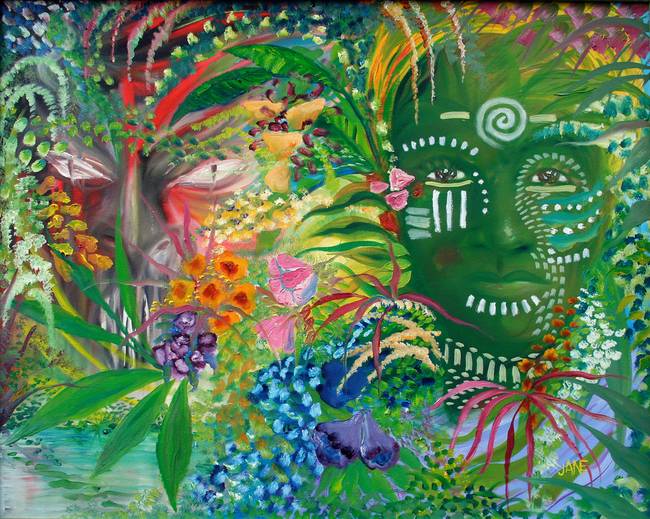
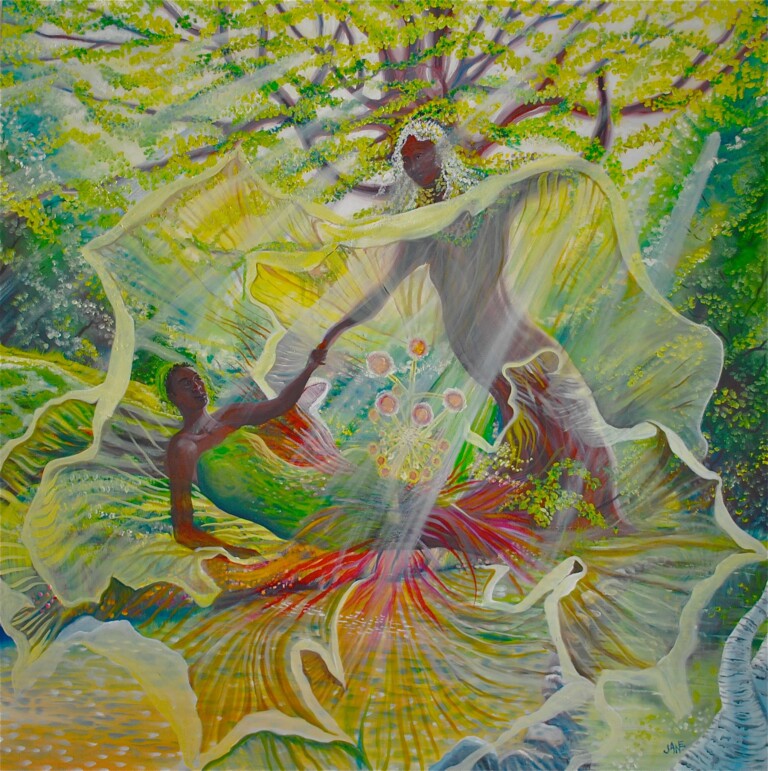
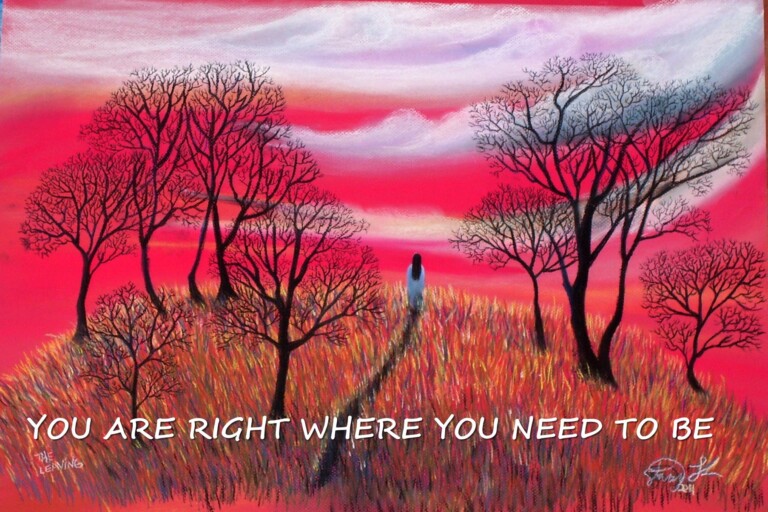
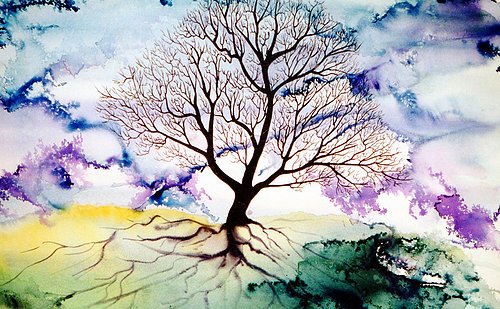
Spirit Tree

Frank D. Sears, My Needs Are Met

The article explores the many needs we experience as human beings—security, health, love, belonging, purpose, guidance, freedom, and peace—and suggests that beneath them all lies one deeper longing: to remember that we have never been separate from Love. Drawing on A Course in Miracles, it explains that practical needs still deserve responsible attention, but they do not define or sustain our true Self. Ultimately, “My needs are met” becomes a statement of trust: what we truly are is already whole, worthy, guided, and held in the Love of God.
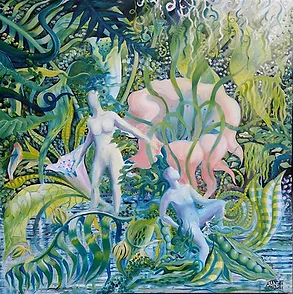
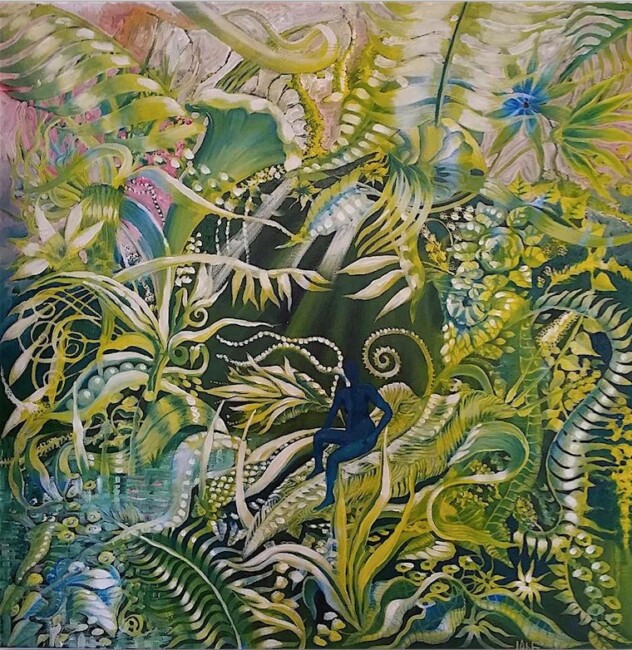
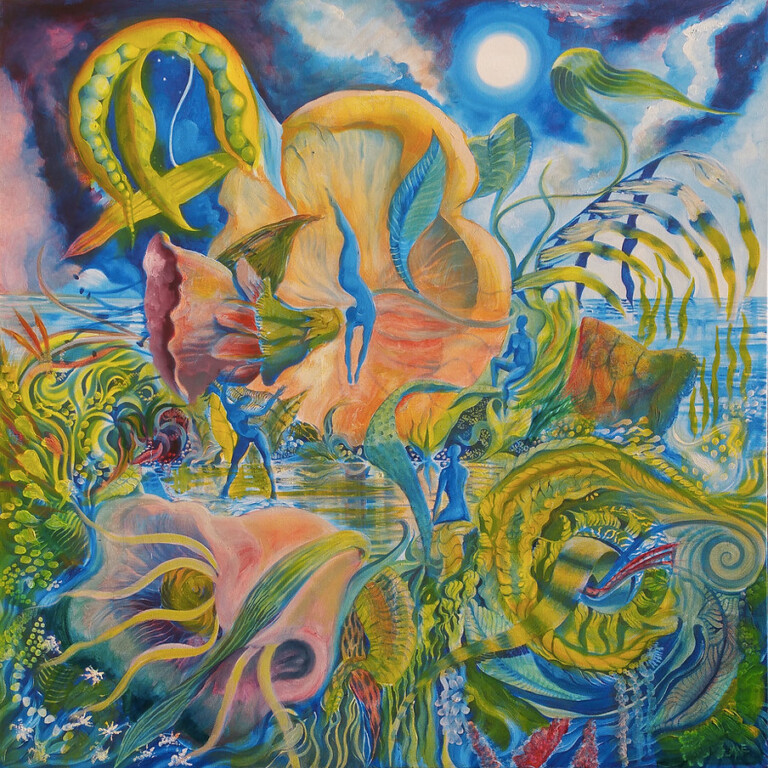
Jane Evershed, Other World

Frank D. Sears, ACIM: A User’s Manual for Humanity

The article presents A Course in Miracles as a possible “user’s manual for humanity” — a guide for recognizing how fear, guilt, judgment, and the belief in separation shape our perception of ourselves and the world. Rather than trying to fix life entirely from the outside, ACIM invites us to look within, question the interpretations that disturb our peace, practice forgiveness, and become willing to “choose again.” Ultimately, the article suggests that the Course is not a manual for making humanity more comfortable within its illusions, but for awakening from them and remembering our deeper identity in love and peace.

Jane Evershed, Astral Destination

Frank D. Sears, Every Time I Get Upset, It Is a Set-Up

The article reframes moments of anger, fear, irritation, or resentment as spiritual “set-ups”—opportunities to recognize that the true source of our distress lies not in external circumstances, but in the meaning and interpretation we have given them. Drawing on A Course in Miracles, it suggests that every upset can become an invitation to pause, question the ego’s story, choose a different perception, and allow the Holy Spirit to transform a moment of conflict into an opportunity for healing and peace. Ultimately, the upset itself is not the problem—it is the doorway to choosing again.

Jane Evershed, Stairway to Higher Dimensions

Frank D. Sears, Yesterday, Today, and Tomorrow: The Grand Illusion

The article explores the idea that our attachment to the past and anxiety about the future are part of a “grand illusion” that keeps us from experiencing the only moment in which healing and transformation are possible: the present. Drawing on A Course in Miracles, it suggests that yesterday can be released through forgiveness, tomorrow entrusted to God, and today embraced as the moment in which we can choose peace, love, and a new way of seeing.

Jane Evershed, Mother Earth Triumphant

Frank D. Sears, You Can’t See the Wind

The article uses the invisible wind as a metaphor for Love as understood in A Course in Miracles: we may not be able to see Love itself, but we can recognize it through its effects. Forgiveness, softened judgment, kindness, inner peace, and the willingness to respond differently are presented as signs that Love is moving through the mind and transforming perception. Ultimately, the essay suggests that we do not need to prove Love intellectually—we need only become willing to notice the healing it creates.

Jane Evershed, Land of Milk and Honey

Robert D. Sears, Walk Your Own Path

The article encourages us to follow our own spiritual path without comparing it to—or judging—the journeys of others. Drawing on A Course in Miracles, it suggests that every path, including its detours, delays, mistakes, and unexpected lessons, can become part of a deeper process of forgiveness, healing, and awakening. Ultimately, we are invited to walk our own road with humility and kindness, while allowing others the same freedom and leaving behind as little judgment as possible.

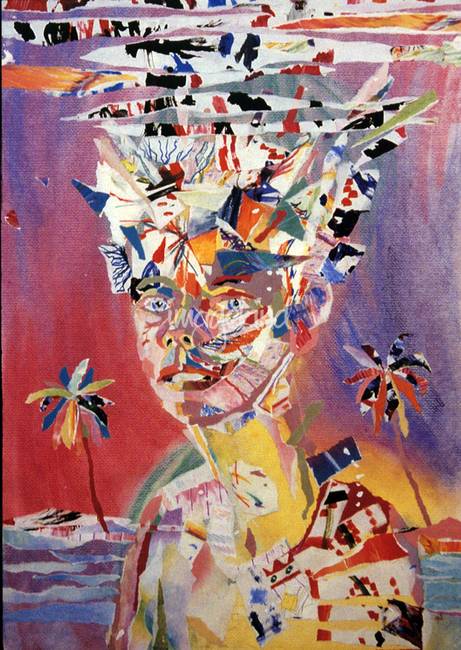
Jane Evershed, Torn Self-Portrait

Frank D. Sears, No Mistakes, Only Mis-Takes

The article reframes our “mistakes” as mis-takes—moments when we acted from fear, guilt, or the ego’s guidance rather than from Love. Using filmmaking as a metaphor, it suggests that our past choices do not define who we are; instead, every mis-take can become an opportunity to learn, forgive ourselves, accept correction, and “take it again” with greater awareness. Ultimately, the journey is not about achieving perfection, but about moving from mis-take to miracle—from the ego’s script to Love’s direction.

Jane Evershed, Move Over Michaelangelo

Frank D. Sears, I Am Nothing. The Message Is Everything.

The article reflects on writing as an act of service rather than self-promotion, arguing that the writer’s role is not to become important but to become available to something larger than the ego. By releasing the need for praise, recognition, or ownership, the writer can become a clearer channel through which truth, love, healing, and insight may reach others. Ultimately, the message matters more than the messenger—and the writer’s highest task is simply to get out of the way and let the light through.

Robert D. Sears, What is the Meaning of Life?

What is the meaning of life? It is one of humanity’s oldest and most enduring questions—and one that continues to invite deeply personal answers. In this thoughtful reflection, Robert D. Sears looks at how some of history’s greatest philosophers and spiritual thinkers approached the question, then brings those ideas together with his own perspective on what makes a life meaningful.

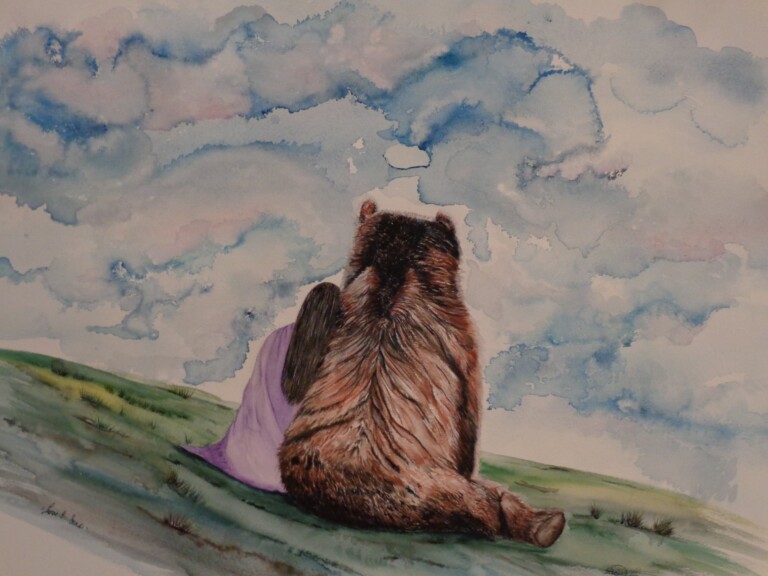
Stacey Littledeer, Love the Bear

Robert D. Sears, The Resistance to True Forgiveness

Forgiveness is easy to admire in theory—and much harder to practice when we feel deeply hurt. In this thoughtful exploration of A Course in Miracles, Robert D. Sears looks beyond conventional ideas of forgiveness and asks what it might mean to release the interpretations, grievances, and identities that keep us bound to pain. His article offers a compassionate reflection on forgiveness not as weakness or denial, but as a path toward inner freedom, peace, and spiritual awakening.

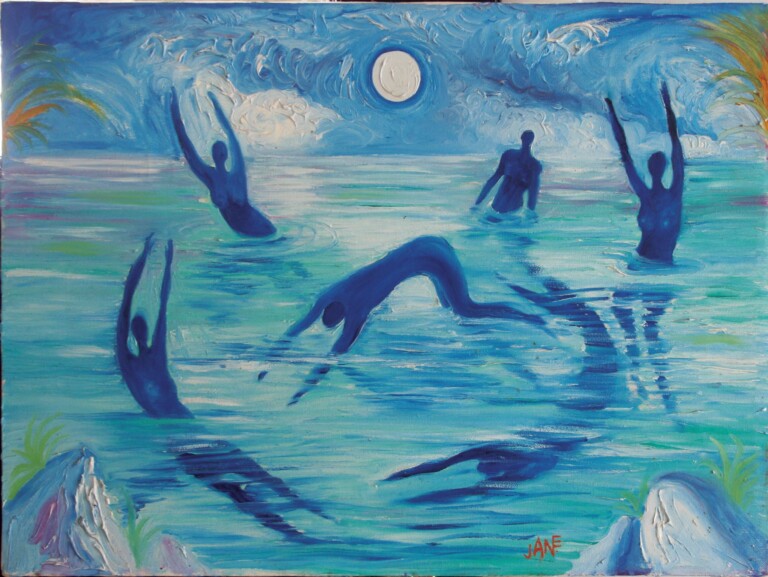
Jane Evershed, Moon's Memory of Pure Water

Frank D. Sears, I AM Is the Decider of Who or What I AM

The article explores a central idea from A Course in Miracles: we do not create the truth of who we are, but we continually choose which identity we will believe in. We can identify with the ego’s story of being separate, vulnerable, wounded, and defined by the body and the past, or we can choose the Holy Spirit’s reminder that we remain as God created us. Ultimately, the article presents spiritual freedom as the power to choose again—to stop defending a false identity and remember the deeper Self that was never lost.

Frank D. Sears, Truth or Consequences

The article uses the old television show Truth or Consequences as a humorous doorway into a deeper lesson from A Course in Miracles: when we choose fear, guilt, judgment, and separation over Truth, we inevitably experience painful consequences—not as punishment, but as the natural result of mistaken thinking. The Course invites us to see those consequences as opportunities to recognize what our choices are producing and to choose again. Ultimately, Truth leads toward forgiveness, gentleness, freedom, and peace, while even our wrong choices can become part of the path back to remembering who we truly are.

Spirit Tree

Frank D. Sears, My Needs Are Met

The article explores the many needs we experience as human beings—security, health, love, belonging, purpose, guidance, freedom, and peace—and suggests that beneath them all lies one deeper longing: to remember that we have never been separate from Love. Drawing on A Course in Miracles, it explains that practical needs still deserve responsible attention, but they do not define or sustain our true Self. Ultimately, “My needs are met” becomes a statement of trust: what we truly are is already whole, worthy, guided, and held in the Love of God.
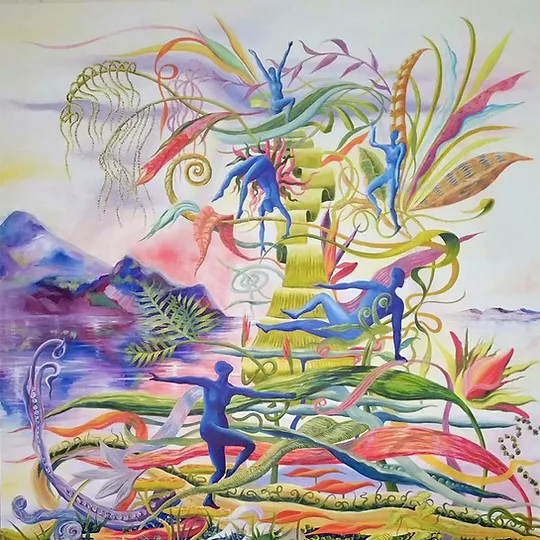
Jane Evershed, Other World

Frank D. Sears, ACIM: A User’s Manual for Humanity

The article presents A Course in Miracles as a possible “user’s manual for humanity” — a guide for recognizing how fear, guilt, judgment, and the belief in separation shape our perception of ourselves and the world. Rather than trying to fix life entirely from the outside, ACIM invites us to look within, question the interpretations that disturb our peace, practice forgiveness, and become willing to “choose again.” Ultimately, the article suggests that the Course is not a manual for making humanity more comfortable within its illusions, but for awakening from them and remembering our deeper identity in love and peace.


Jane Evershed, Astral Destination

Frank D. Sears, Every Time I Get Upset, It Is a Set-Up

The article reframes moments of anger, fear, irritation, or resentment as spiritual “set-ups”—opportunities to recognize that the true source of our distress lies not in external circumstances, but in the meaning and interpretation we have given them. Drawing on A Course in Miracles, it suggests that every upset can become an invitation to pause, question the ego’s story, choose a different perception, and allow the Holy Spirit to transform a moment of conflict into an opportunity for healing and peace. Ultimately, the upset itself is not the problem—it is the doorway to choosing again.

Jane Evershed, Stairway to Higher Dimensions

Frank D. Sears, Yesterday, Today, and Tomorrow: The Grand Illusion

The article explores the idea that our attachment to the past and anxiety about the future are part of a “grand illusion” that keeps us from experiencing the only moment in which healing and transformation are possible: the present. Drawing on A Course in Miracles, it suggests that yesterday can be released through forgiveness, tomorrow entrusted to God, and today embraced as the moment in which we can choose peace, love, and a new way of seeing.

Jane Evershed, Mother Earth Triumphant

Frank D. Sears, You Can’t See the Wind

The article uses the invisible wind as a metaphor for Love as understood in A Course in Miracles: we may not be able to see Love itself, but we can recognize it through its effects. Forgiveness, softened judgment, kindness, inner peace, and the willingness to respond differently are presented as signs that Love is moving through the mind and transforming perception. Ultimately, the essay suggests that we do not need to prove Love intellectually—we need only become willing to notice the healing it creates.

Jane Evershed, Land of Milk and Honey

Robert D. Sears, Walk Your Own Path

The article encourages us to follow our own spiritual path without comparing it to—or judging—the journeys of others. Drawing on A Course in Miracles, it suggests that every path, including its detours, delays, mistakes, and unexpected lessons, can become part of a deeper process of forgiveness, healing, and awakening. Ultimately, we are invited to walk our own road with humility and kindness, while allowing others the same freedom and leaving behind as little judgment as possible.

Jane Evershed, Torn Self-Portrait

Frank D. Sears, No Mistakes, Only Mis-Takes

The article reframes our “mistakes” as mis-takes—moments when we acted from fear, guilt, or the ego’s guidance rather than from Love. Using filmmaking as a metaphor, it suggests that our past choices do not define who we are; instead, every mis-take can become an opportunity to learn, forgive ourselves, accept correction, and “take it again” with greater awareness. Ultimately, the journey is not about achieving perfection, but about moving from mis-take to miracle—from the ego’s script to Love’s direction.

Jane Evershed, Move Over Michaelangelo

Frank D. Sears, I Am Nothing. The Message Is Everything.

The article reflects on writing as an act of service rather than self-promotion, arguing that the writer’s role is not to become important but to become available to something larger than the ego. By releasing the need for praise, recognition, or ownership, the writer can become a clearer channel through which truth, love, healing, and insight may reach others. Ultimately, the message matters more than the messenger—and the writer’s highest task is simply to get out of the way and let the light through.

Robert D. Sears, What is the Meaning of Life?

What is the meaning of life? It is one of humanity’s oldest and most enduring questions—and one that continues to invite deeply personal answers. In this thoughtful reflection, Robert D. Sears looks at how some of history’s greatest philosophers and spiritual thinkers approached the question, then brings those ideas together with his own perspective on what makes a life meaningful.

Stacey Littledeer, Love the Bear

Robert D. Sears, The Resistance to True Forgiveness

Forgiveness is easy to admire in theory—and much harder to practice when we feel deeply hurt. In this thoughtful exploration of A Course in Miracles, Robert D. Sears looks beyond conventional ideas of forgiveness and asks what it might mean to release the interpretations, grievances, and identities that keep us bound to pain. His article offers a compassionate reflection on forgiveness not as weakness or denial, but as a path toward inner freedom, peace, and spiritual awakening.

Jane Evershed, Moon's Memory of Pure Water

Frank D. Sears, I AM Is the Decider of Who or What I AM

The article explores a central idea from A Course in Miracles: we do not create the truth of who we are, but we continually choose which identity we will believe in. We can identify with the ego’s story of being separate, vulnerable, wounded, and defined by the body and the past, or we can choose the Holy Spirit’s reminder that we remain as God created us. Ultimately, the article presents spiritual freedom as the power to choose again—to stop defending a false identity and remember the deeper Self that was never lost.

Frank D. Sears, Truth or Consequences

The article uses the old television show Truth or Consequences as a humorous doorway into a deeper lesson from A Course in Miracles: when we choose fear, guilt, judgment, and separation over Truth, we inevitably experience painful consequences—not as punishment, but as the natural result of mistaken thinking. The Course invites us to see those consequences as opportunities to recognize what our choices are producing and to choose again. Ultimately, Truth leads toward forgiveness, gentleness, freedom, and peace, while even our wrong choices can become part of the path back to remembering who we truly are.

FB video