One of the most influential diplomatic jobs in the world is about to change hands — but almost none of the world’s eight billion people will have a vote.
The United Nations is selecting a new Secretary-General to succeed António Guterres, whose second five-year term ends on December 31, 2026. The person ultimately chosen will become the UN’s tenth Secretary-General and take office on January 1, 2027.
And this time, history could be made: the United Nations has never been led by a woman.
As of September 2026, eight candidates have been formally nominated, including five women.
Among them are some of the best-known figures in international diplomacy: former Chilean president and UN human-rights chief Michelle Bachelet; International Atomic Energy Agency Director General Rafael Mariano Grossi of Argentina; Costa Rican economist and UNCTAD Secretary-General Rebeca Grynspan; former Senegalese president Macky Sall; Guyana’s UN Ambassador and former foreign minister Carolyn Rodrigues Birkett; former UN General Assembly president María Fernanda Espinosa of Ecuador; former UN Under-Secretary-General Olara Otunnu of Uganda; and Ecuadorian diplomat Ivonne A-Baki, nominated by Tonga.
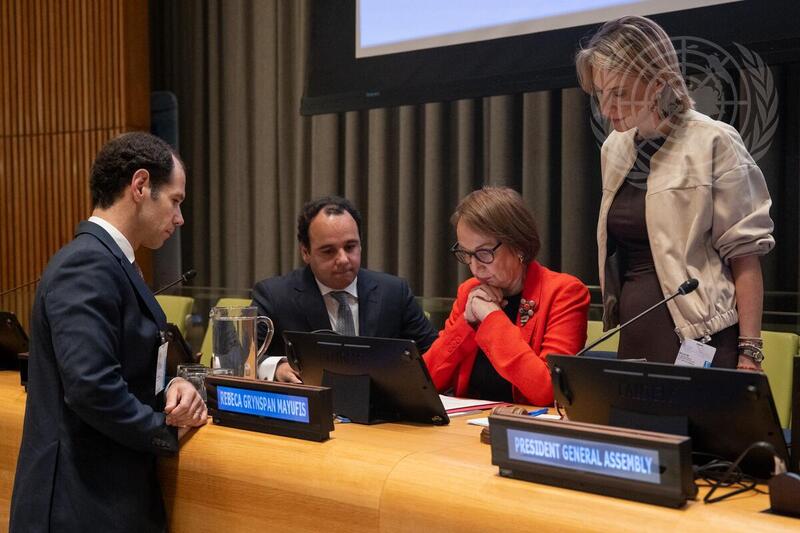
Rebeca Grynspan during the informal dialogue – UN Photo/Manuel Elías
But calling the process an “election” can be misleading.
Who Really Chooses the Secretary-General?
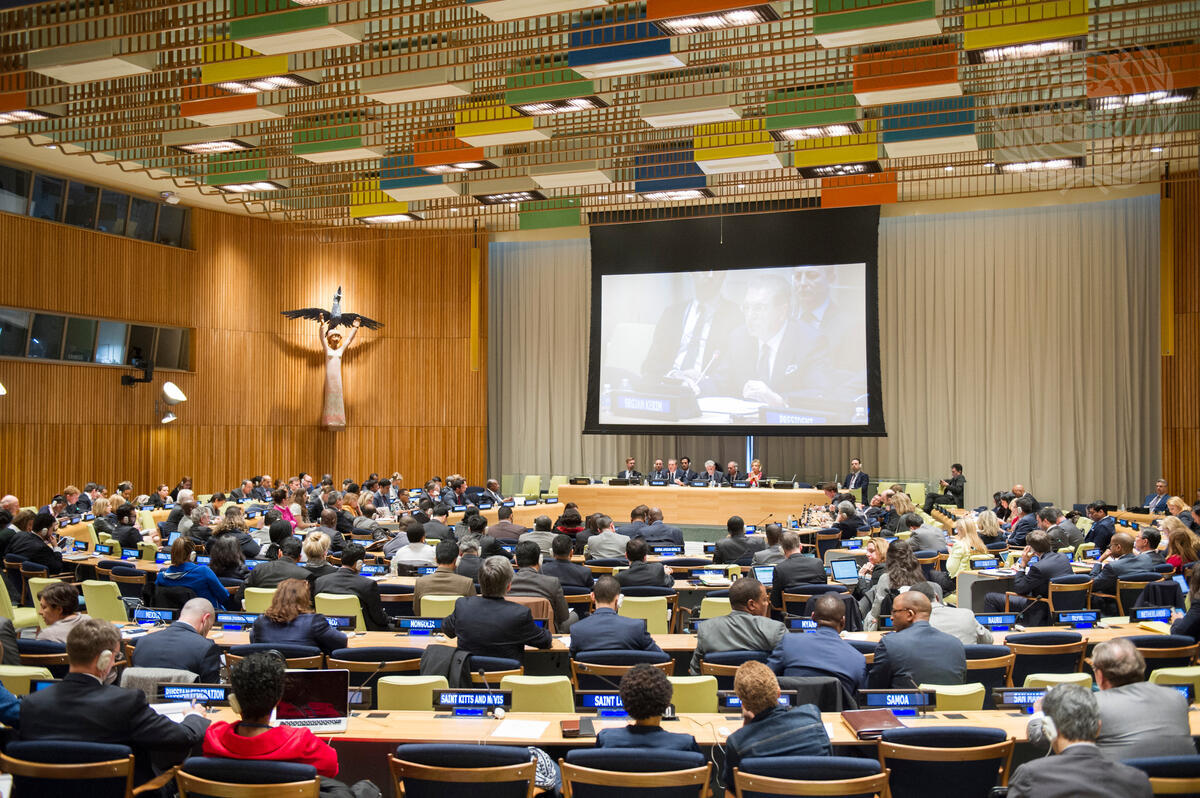
The first — and most decisive — stage takes place behind the doors of the 15-member UN Security Council.
Council members hold confidential informal ballots, known as straw polls, indicating whether they “encourage,” “discourage” or have “no opinion” about each candidate.
Eventually, a successful candidate must receive at least nine Security Council votes.
There is another crucial condition: none of the Council’s five permanent members — China, France, Russia, the United Kingdom and the United States — can veto the candidate.
In practical terms, this gives each of those five countries enormous influence over who can become Secretary-General.
Only after the Security Council agrees on a candidate does the name go to the 193-member UN General Assembly, which formally appoints the new Secretary-General.
So while nearly every country in the world participates in the final stage, the real political test comes first in the Security Council.
Who Is Ahead?
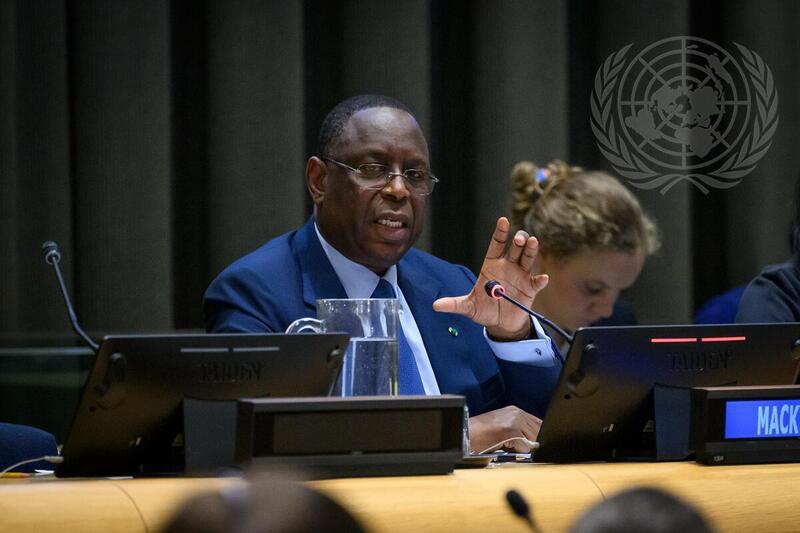
Macky Sall speaking during the informal dialogue – UN Photo/Loey Felipe
Two informal Security Council polls have already taken place.
In the first, held July 30, Costa Rica’s Rebeca Grynspan received the strongest support, with 10 “encourage” votes.
The second poll, on August 21, reshuffled the field. Carolyn Rodrigues Birkett of Guyana received the highest number of encouraging votes, with eight, while Grynspan and Grossi each received seven.
That does not necessarily make Rodrigues Birkett the definitive front-runner.
At this stage, the ballots do not fully reveal whether opposition to a candidate comes from an elected Security Council member or from one of the five veto-holding permanent powers. A candidate who appears strong numerically could therefore still face an insurmountable political obstacle.
More straw polls are expected as diplomats try to determine which candidate can attract broad support without provoking a veto.
When Will We Know?
There is no single UN “Election Day.”
The Security Council is expected to continue consultations and informal voting during September, with the process potentially extending further if no consensus emerges.
Once the Council settles on one name, it will formally recommend that candidate to the General Assembly.
The timetable matters because the successful candidate will need time to prepare before assuming office on January 1, 2027.
The process may look quiet from the outside, but behind the diplomatic language lies a complicated negotiation among competing national interests, geopolitical alliances and ideas about what the United Nations should become.
And perhaps the most interesting question is larger than simply who will win:
At a time of wars, geopolitical rivalry, climate pressures, technological upheaval and growing doubts about international institutions, what kind of Secretary-General does the United Nations — and the world — actually need next?
Sources: United Nations; UN Security Council; UN General Assembly; Reuters
Photo Credits: UN Multimedia